
 Joyce
Joyce 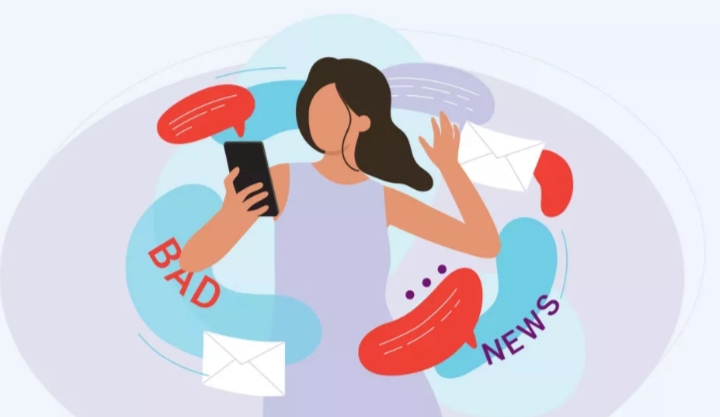
Doomscrolling is the habit of endlessly consuming negative or stressful content online, especially through social media and news feeds, even when it leaves us feeling anxious or emotionally drained.
Why Doomscrolling Happens
One major reason people struggle to stop doomscrolling is that the human brain is naturally drawn to danger and uncertainty. When we see alarming headlines or disturbing news, the brain treats that information as important for survival. As a result, we keep checking for updates in an attempt to feel informed or in control.
Social media platforms also make it difficult to stop scrolling. Features such as infinite feeds, autoplay videos, and personalized recommendations are designed to keep users engaged for as long as possible. Since there is no natural stopping point, people continue scrolling without realizing how much time has passed.
Another reason doomscrolling becomes addictive is the unpredictable reward system. Most content may be uninteresting, but occasionally users come across something exciting, emotional, or entertaining. This unpredictability keeps the brain searching for the next stimulating post.
Effects of Doomscrolling
Excessive doomscrolling can negatively affect mental and emotional well-being. It may lead to:
- anxiety and stress
- difficulty concentrating
- sleep problems
- emotional exhaustion
- reduced productivity
Over time, constant exposure to negative information can make the world feel more overwhelming than it actually is.
How to Stop Doomscrolling
Breaking the habit requires intentional changes rather than relying only on self-control.
One effective method is to reduce distractions by turning off notifications, removing addictive apps from the home screen, or limiting screen time. Creating boundaries around phone use, especially before bedtime or immediately after waking up, can also help.
Replacing scrolling with healthier activities is equally important. Reading, exercising, listening to music, spending time outdoors, or talking with friends can provide relaxation without the mental exhaustion caused by endless online content.
It also helps to follow positive, educational, or balanced sources online instead of accounts that constantly spread fear, outrage, or negativity.
Conclusion
Doomscrolling has become a common habit in the digital age because technology and human psychology work together to keep people engaged. Although staying informed is important, constantly consuming negative content can harm mental health. By setting limits and using technology more intentionally, people can develop healthier online habits and regain control of their attention and well-being.