
 Joyce
Joyce 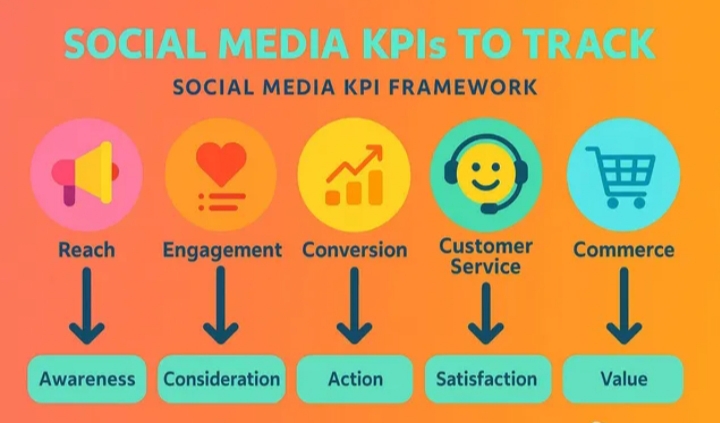
Social media has become an important marketing tool for small businesses, but simply posting content is not enough. Many business owners spend time creating posts, uploading videos, and engaging online without knowing whether their efforts are actually contributing to business growth.
This is why tracking KPIs is important.
KPIs, or Key Performance Indicators, are measurable metrics used to evaluate how well your social media strategy is performing. They help businesses understand what is working, what needs improvement, and whether their online activities are supporting their overall goals.
Without KPIs, social media marketing becomes difficult to measure.
With KPIs, businesses can make smarter and more strategic decisions.
Instagram, Facebook, TikTok, and LinkedIn all provide analytics tools that allow businesses to monitor audience behavior, engagement, and marketing performance.
Why Social Media KPIs Are Important
Small businesses often operate with limited budgets and resources, making it important to focus on strategies that deliver measurable results.
Tracking KPIs helps businesses:
- measure content performance
- understand customer behavior
- improve marketing strategies
- increase engagement
- attract potential customers
- generate sales and leads
- avoid wasting time on ineffective tactics
KPIs provide direction and help businesses make informed decisions instead of relying on assumptions.
Important Social Media KPIs to Monitor
Reach
Reach refers to the number of unique people who see your content.
This KPI helps determine how visible your brand is on social media.
A growing reach often suggests:
- strong audience interest
- effective content
- increased visibility through platform algorithms
Low reach may indicate:
- inconsistent posting
- weak engagement
- poor content quality
- ineffective targeting
For small businesses, reach is essential for increasing brand awareness and attracting new customers.
Engagement Rate
Engagement rate measures how users interact with your content through:
- likes
- comments
- shares
- saves
- clicks
Strong engagement indicates that your audience finds your content relevant and valuable.
An account with fewer followers but high engagement can often outperform larger accounts with inactive audiences.
Why Engagement Matters
High engagement can help businesses:
- build trust
- improve visibility
- strengthen customer relationships
- increase brand awareness
Social media algorithms also tend to favor content with strong engagement.
Follower Growth Rate
Instead of focusing only on total followers, businesses should monitor how quickly their audience is growing.
A healthy follower growth rate often reflects:
- increasing brand awareness
- effective marketing efforts
- audience interest in your content
However, follower growth should be analyzed alongside engagement to ensure the audience is genuinely interested and active.
Website Traffic
Website traffic from social media is one of the most valuable KPIs for many businesses.
This metric tracks how many users click from social platforms to:
- your website
- online store
- booking page
- blog
- product pages
High website traffic suggests that your content successfully encourages users to take further action.
Conversion Rate
Conversion rate measures how many users complete a desired action after interacting with your social media content.
This action may include:
- making a purchase
- booking a service
- signing up for a newsletter
- filling out a contact form
- sending an inquiry
This KPI directly connects social media performance to business results.
A post with moderate engagement but high conversions can be more valuable than a highly viral post with no sales impact.
Response Time
Businesses that communicate with customers through comments or direct messages should monitor response time closely.
Quick responses help improve:
- customer satisfaction
- professionalism
- trust
- sales opportunities
Fast communication often creates a better customer experience.
Share Rate
Shares show that users find your content valuable enough to recommend to others.
Shared content helps businesses:
- expand their audience
- increase organic reach
- improve brand exposure
Content that is educational, entertaining, or relatable typically performs well in shares.
Saves
Saves are especially important on Instagram because they indicate long-term content value.
Users usually save content they want to revisit later.
Posts that commonly receive high saves include:
- tutorials
- guides
- educational content
- product tips
- inspirational posts
High save rates often signal quality content.
Video Retention and Watch Time
For businesses using video marketing, watch time and retention are critical metrics.
Platforms such as TikTok and Instagram prioritize videos that keep users watching longer.
Low watch time may suggest:
- weak introductions
- slow pacing
- uninteresting content
Strong retention generally improves reach and visibility.
Customer Sentiment
Customer sentiment reflects how people feel about your brand online.
It can be measured through:
- reviews
- comments
- mentions
- direct messages
Positive sentiment strengthens brand reputation and customer loyalty, while negative feedback can highlight areas that need improvement.
Selecting the Right KPIs
Not every KPI is equally important for every business.
Different businesses prioritize different goals.
For example:
- restaurants may focus on engagement and reservations
- online stores may prioritize conversions and sales
- service providers may care more about inquiries and bookings
The best KPIs are those that align directly with your business objectives.
Common KPI Mistakes Businesses Make
Paying Attention Only to Followers
A large follower count does not automatically guarantee business success.
A smaller but highly engaged audience is often more valuable.
Ignoring Business Results
Some businesses focus heavily on likes and viral content without measuring sales, inquiries, or conversions.
Visibility alone does not always produce growth.
Monitoring Too Many Metrics
Tracking every available metric can become overwhelming and confusing.
It is often more effective to focus on a few key indicators tied directly to business goals.
How Often Should KPIs Be Reviewed?
Businesses should evaluate social media KPIs regularly:
- weekly for individual content performance
- monthly for growth trends
- quarterly for broader strategy reviews
Consistent monitoring helps businesses identify opportunities and make timely improvements.
Conclusion
Social media success is about more than likes and follower counts.
For small businesses, the real value lies in:
- audience growth
- customer engagement
- lead generation
- brand awareness
- conversions and sales
Tracking the right KPIs allows businesses to understand their audience better, improve content strategies, and make data-driven decisions.
Businesses that consistently analyze and apply social media insights are often the ones that achieve long-term online growth.