
-
Joyce
- June 3, 2026
- 0 Comments
- Uncategorized
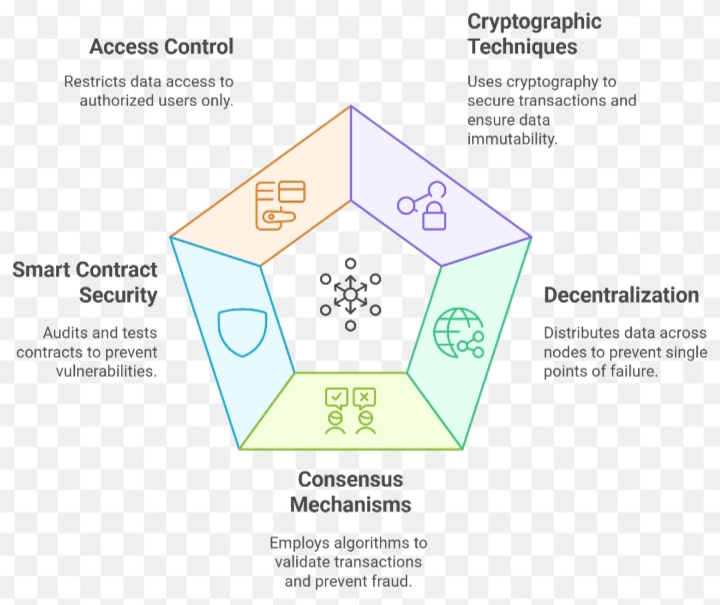
Blockchain technology has transformed the digital landscape by providing a secure, transparent, and decentralized method for recording and verifying transactions. Its applications extend across various sectors, including finance, healthcare, logistics, and identity management. While blockchain is often regarded as highly secure, it is not completely immune to threats. Effective security measures are necessary to safeguard networks, smart contracts, and digital assets from potential attacks and vulnerabilities.
The Importance of Blockchain Security
Blockchain security encompasses the strategies, technologies, and procedures used to protect blockchain ecosystems from unauthorized access, fraud, and cyber threats. Although decentralization reduces many traditional security risks, weaknesses can still emerge through coding flaws, inadequate key management, system misconfigurations, or human mistakes.
A strong security framework helps maintain the integrity, reliability, and trustworthiness of blockchain-based systems.
Strengthen Access Management
Controlling access to blockchain resources is a critical aspect of security. Organizations should establish strict authentication and authorization mechanisms to ensure that only approved individuals can interact with sensitive systems and information.
Effective measures include:
- Implementing multi-factor authentication (MFA)
- Using role-based access controls
- Restricting administrative permissions
- Reviewing user access rights regularly
Safeguard Private Keys
Private keys are essential for authorizing blockchain transactions and proving ownership of digital assets. If these keys are compromised, users may lose control of their funds or sensitive information.
To improve key security:
- Store keys in hardware wallets or secure storage solutions
- Maintain encrypted backups
- Limit access to authorized individuals
- Follow established key management protocols
Audit Smart Contracts Thoroughly
Smart contracts automate agreements and transactions on blockchain networks. However, coding errors or vulnerabilities can expose them to exploitation.
Organizations should:
- Conduct detailed code reviews
- Engage independent security auditors
- Perform extensive testing before deployment
- Monitor contract performance after launch
Regular audits help detect and address security flaws before they can be exploited.
Keep Systems and Software Up to Date
Software updates play a crucial role in maintaining blockchain security. Developers frequently release patches and improvements to address newly discovered vulnerabilities.
Recommended practices include:
- Applying updates promptly
- Maintaining current node software
- Tracking security advisories
- Verifying system configurations regularly
Staying current reduces exposure to known security risks.
Protect Network Infrastructure
Blockchain security extends beyond the ledger itself. Supporting infrastructure, including servers, devices, and communication channels, must also be secured against cyber threats.
Important steps include:
- Deploying firewalls and intrusion detection systems
- Encrypting data transmissions
- Monitoring network traffic continuously
- Conducting routine vulnerability assessments
A secure infrastructure strengthens the overall resilience of the blockchain environment.
Choose Reliable Consensus Mechanisms
Consensus mechanisms are responsible for validating transactions and maintaining agreement across blockchain networks. Selecting a robust consensus model is essential for defending against attacks and ensuring network stability.
Factors to consider include:
- Security effectiveness
- Scalability requirements
- Resource efficiency
- Resistance to malicious activity
A well-designed consensus process contributes significantly to network protection.
Promote Security Awareness
Many security breaches occur due to human error rather than technological weaknesses. Educating employees and users about blockchain security can help reduce the likelihood of successful attacks.
Training programs should focus on:
- Creating strong passwords
- Protecting private keys
- Identifying phishing scams
- Following safe digital practices
An informed user base serves as an additional layer of defense.
Monitor Activity and Prepare for Incidents
Continuous monitoring enables organizations to identify unusual behavior and respond to threats before they escalate. A proactive approach to security can minimize damage and improve recovery times.
Useful practices include:
- Real-time transaction monitoring
- Automated threat detection tools
- Centralized security event management
- Well-defined incident response plans
Preparedness is essential for managing security challenges effectively.
Maintain Regulatory Compliance
Organizations using blockchain technology should adhere to relevant legal and industry requirements. Compliance supports both security and operational transparency.
Key areas include:
- Data privacy regulations
- Financial compliance standards
- Anti-money laundering (AML) requirements
- Know Your Customer (KYC) procedures
Following regulatory guidelines helps build trust among users and stakeholders.
Perform Ongoing Security Evaluations
Regular security assessments are necessary to identify vulnerabilities and evaluate the effectiveness of existing controls. Continuous testing helps organizations stay ahead of emerging threats.
Common assessment methods include:
- Penetration testing
- Vulnerability analysis
- Risk assessments
- Independent security audits
Frequent evaluations support long-term security improvement.
Conclusion
While blockchain technology offers strong security advantages, maintaining a secure environment requires ongoing attention and proactive risk management. Organizations and individuals can reduce vulnerabilities by implementing strong access controls, protecting private keys, auditing smart contracts, securing infrastructure, and promoting security awareness. As blockchain adoption continues to expand, following these best practices will be essential for protecting digital assets, preserving trust, and ensuring the long-term success of blockchain-based systems.