
-
Joyce
- June 3, 2026
- 0 Comments
- Uncategorized
The payment industry has undergone remarkable transformation over the past few decades. Traditional methods such as cash and checks have gradually given way to digital solutions that offer greater speed and convenience. Among the most significant developments in modern finance is contactless payment technology, which enables consumers to make purchases quickly and securely with a simple tap. As digital transactions continue to grow, contactless payments are emerging as a key component of the future financial ecosystem.
What Are Contactless Payments?
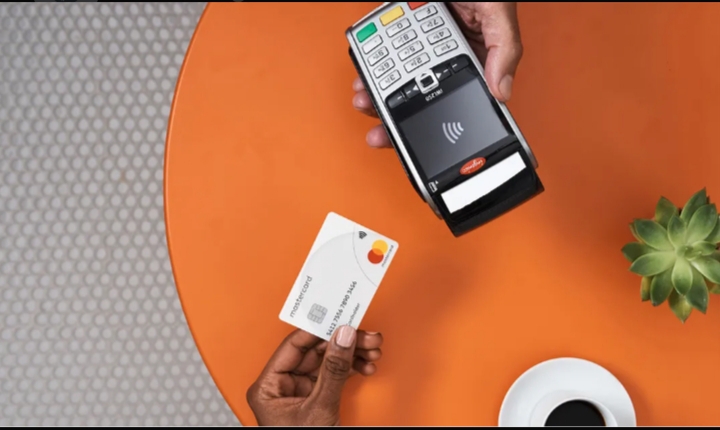
Contactless payments are transactions completed without physically swiping, inserting, or handing over a payment card. Instead, users can pay by tapping a contactless-enabled card, smartphone, smartwatch, or other compatible device near a payment terminal. This process relies on technologies such as Near Field Communication (NFC) and Radio Frequency Identification (RFID) to transfer payment information securely.
Rising Adoption Across the Globe
The popularity of contactless payments has increased significantly as consumers and businesses seek faster and more efficient payment options. The widespread availability of smartphones, digital banking services, and mobile payment platforms has encouraged greater use of cashless payment methods.
Factors driving this growth include:
- Increased access to mobile technology
- Expansion of digital financial services
- Modernized payment infrastructure
- Demand for seamless customer experiences
- Growing confidence in electronic payment systems
Key Advantages of Contactless Payments
Faster Transactions
Contactless payments streamline the checkout process by allowing purchases to be completed in seconds. This speed benefits both customers and businesses by reducing queues and improving operational efficiency.
Stronger Security Features
Modern contactless payment systems incorporate encryption, tokenization, and authentication technologies to safeguard sensitive financial data. Many digital wallets also use biometric verification methods such as fingerprint scanning or facial recognition to enhance protection.
Greater Convenience
Consumers can make payments using a variety of devices, eliminating the need to carry cash or frequently handle physical cards. This flexibility contributes to a smoother and more user-friendly payment experience.
Reduced Dependence on Cash
Businesses benefit from lower cash-handling costs and improved transaction tracking. Digital payments also simplify financial management and record-keeping processes.
Integration with Digital Services
Contactless payment technologies work seamlessly with online platforms, mobile applications, and digital marketplaces, supporting the continued expansion of the digital economy.
Mobile Wallets and Their Impact
Mobile wallets have played a significant role in accelerating the adoption of contactless payments. These applications allow users to securely store payment information on their devices and complete transactions with minimal effort. Their convenience and security features have made them increasingly popular among consumers worldwide.
Challenges Facing Contactless Payments
Despite their many benefits, contactless payment systems face several obstacles.
Technology Investment
Businesses need compatible payment terminals and supporting infrastructure to accept contactless transactions. For some smaller enterprises, the cost of implementation can be a challenge.
Security Threats
Although advanced security measures are in place, cybercriminals continue to develop new methods of attack. Continuous investment in cybersecurity is essential to maintain trust and protect users.
Accessibility Concerns
Not everyone has access to smartphones, banking services, or digital payment tools. Expanding financial inclusion remains an important objective as digital payment systems evolve.
Data Privacy Issues
Some consumers are concerned about how their payment information is collected and used. Strong privacy protections and transparent data management practices are necessary to address these concerns.
Emerging Trends and Future Developments
The future of contactless payments is expected to be driven by technological innovation. Several trends are likely to influence the next phase of growth, including:
- Biometric-based payment verification
- Smart wearable payment devices
- Connected payments through IoT technology
- Artificial intelligence for fraud prevention
- Enhanced digital wallet functionality
- More efficient international payment systems
These advancements are expected to make transactions even more secure, convenient, and accessible.
Conclusion
Contactless payments have transformed the way consumers and businesses conduct transactions. Their ability to deliver speed, convenience, and security has contributed to their widespread acceptance across many industries. While challenges related to infrastructure, cybersecurity, and accessibility still exist, ongoing innovation continues to strengthen the technology. As digital commerce expands, contactless payments are set to become an even more important part of everyday financial activity, helping to shape the future of global transactions.