
 Joyce
Joyce 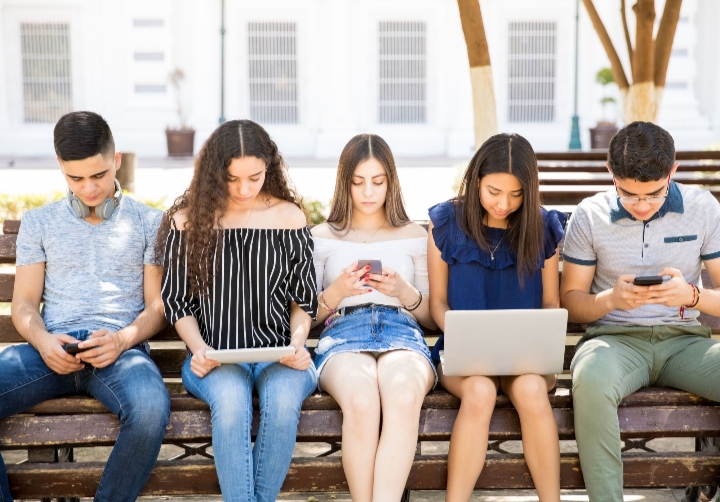
Social media has become a major part of students’ everyday routines. Platforms such as Instagram, TikTok, X (Twitter), Snapchat, and YouTube serve as spaces for entertainment, communication, learning, and self-expression. While these platforms offer many advantages, poor usage habits can negatively affect academic performance, mental health, sleep patterns, and real-life relationships. For this reason, students need to develop healthy social media habits to enjoy its benefits without its disadvantages.
The Effects of Social Media on Students
Social media can be both beneficial and harmful for students. On the positive side, it provides access to educational materials, study groups, and informative content that can support learning. Students can also connect with peers, share ideas, and explore new skills through online communities.
However, excessive use can lead to distractions, procrastination, and reduced focus on schoolwork. It may also encourage unhealthy comparisons with others, especially when viewing idealized lifestyles online, which can affect self-confidence. In some cases, heavy use may contribute to stress, anxiety, poor sleep, and a sedentary lifestyle.
Managing Screen Time Effectively
A key healthy habit is controlling how much time is spent on social media. Students should create a schedule that allows social media use only during specific periods, such as after completing academic tasks or during breaks. Tools like screen-time trackers or app limits can help reduce unnecessary scrolling.
It is also important to avoid using social media during study sessions, meals, and bedtime, as this can interfere with concentration and sleep quality, both of which are vital for academic success.
Using Social Media with Purpose
Rather than using social media out of habit or boredom, students should be intentional about their usage. Before opening an app, it helps to consider the purpose whether it is for learning, communication, or relaxation. This approach reduces time wastage and promotes more meaningful engagement.
Students can also improve their online experience by unfollowing accounts that cause stress or distraction and instead following educational or inspiring pages that add value to their learning and development.
Maintaining a Healthy Balance
It is important for students to strike a balance between online activities and real-life experiences. Spending time with family and friends, participating in sports, and engaging in hobbies help maintain emotional well-being and social development.
Too much time online can lead to isolation, so maintaining offline relationships and activities is essential for a healthy lifestyle.
Supporting Mental Well-being
Students should pay attention to how social media affects their mood and mindset. If it causes stress, insecurity, or sadness, it may be necessary to take breaks or adjust what content they consume.
Taking regular breaks from social media or practicing digital detoxes can improve mental clarity. It is also important to remember that most online content is carefully curated and does not always reflect real life.
Responsible Online Behavior
Healthy social media use also includes acting responsibly online. Students should think carefully before posting or commenting, respect others’ views, and avoid spreading false information. Protecting personal data and using privacy settings are also important for online safety.
Conclusion
Social media is a powerful tool that can be either helpful or harmful depending on how it is used. For students, developing positive social media habits is essential for academic achievement, mental health, and personal growth. By managing screen time, using platforms intentionally, balancing online and offline life, and practicing responsible behavior, students can make the most of social media in a healthy and productive way.