
 Joyce
Joyce 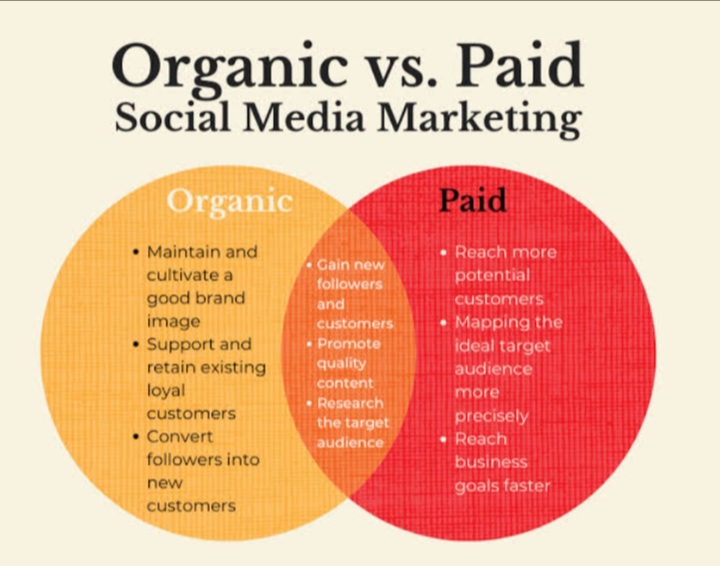
Social media has become an essential part of modern marketing, helping businesses connect with customers, promote products, and increase brand visibility. To succeed online, many brands rely on two major methods of promotion organic social media and paid social media advertising. Although both strategies are designed to expand reach and improve engagement, they function in different ways and deliver different results.
Knowing how each approach works can help businesses develop a more effective digital marketing strategy.
Understanding Organic Social Media Strategy
Organic social media strategy involves sharing unpaid content to attract and engage audiences naturally over time. This includes regular posts, videos, comments, stories, and interactions published on platforms such as Instagram, Facebook, TikTok, LinkedIn, and X.
The main purpose of organic marketing is to build trust, strengthen audience relationships, and grow a loyal community without paying for promotion.
Benefits of Organic Social Media
- Encourages genuine audience engagement
- Helps build brand credibility and trust
- Cost-effective for small businesses and startups
- Supports long-term audience growth
- Strengthens brand identity over time
Limitations of Organic Marketing
- Growth often takes time
- Algorithm changes can reduce visibility
- Requires creativity and consistency
- High competition for audience attention
Organic social media performs best when brands focus on meaningful content, storytelling, education, and regular interaction with followers.
Understanding Paid Social Media Strategy
Paid social media strategy involves using sponsored advertisements to promote content to targeted audiences. Businesses pay platforms to display their posts or ads to users based on factors such as age, location, interests, and online behavior.
Paid campaigns may appear as sponsored posts, video ads, boosted content, influencer collaborations, or carousel advertisements.
Advantages of Paid Social Media
- Provides quick visibility and audience reach
- Allows precise audience targeting
- Helps increase website traffic and conversions
- Effective for product launches and promotions
- Generates measurable and trackable results
Challenges of Paid Advertising
- Requires a dedicated marketing budget
- Results may decline when campaigns end
- Poor targeting can reduce effectiveness
- Advertising costs can become expensive
Paid campaigns are especially useful for businesses seeking immediate exposure, lead generation, or increased sales.
Key Differences Between Organic and Paid Strategies
| Organic Social Media | Paid Social Media |
|---|---|
| Does not require advertising costs | Requires financial investment |
| Focuses on gradual audience growth | Delivers faster visibility |
| Builds long-term relationships | Drives short-term results |
| Depends on content quality and engagement | Depends on targeting and ad performance |
| Best for community building | Best for rapid promotion |
Both methods offer important advantages and are often most effective when used together.
Which Strategy Should Businesses Use?
The right strategy depends on a company’s goals, budget, and marketing priorities.
- Brands aiming to create strong customer relationships and long-term loyalty may benefit more from organic social media.
- Businesses seeking immediate results, increased sales, or rapid brand exposure may rely more heavily on paid advertising.
- Many successful companies combine both methods to achieve balanced growth.
For instance, businesses can use organic content to maintain audience engagement while using paid ads to promote special offers or reach new customers.
Building an Effective Social Media Plan
A strong digital marketing strategy often blends organic and paid social media efforts. Businesses can improve performance by:
- Posting consistent and valuable content
- Engaging regularly with followers
- Running targeted advertising campaigns
- Monitoring analytics and performance metrics
- Adjusting strategies based on audience behavior
Combining both approaches allows brands to maintain visibility while achieving both immediate and long-term marketing goals.
Conclusion
Organic and paid social media strategies each play an important role in digital marketing. Organic marketing helps businesses build trust, credibility, and loyal communities, while paid advertising delivers faster reach and targeted exposure.
Instead of relying on only one method, businesses often achieve better results by integrating both strategies. A balanced approach to social media marketing can improve audience engagement, increase brand awareness, and support overall business growth.