
-
Joyce
- May 5, 2026
- 0 Comments
- African Cybersecurity
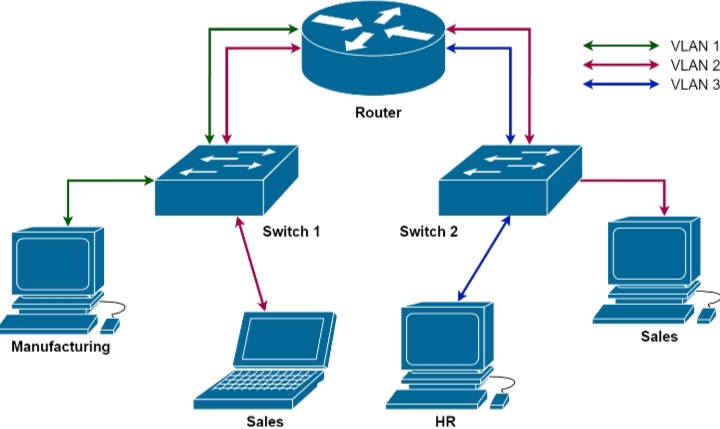
Network segmentation is a cybersecurity technique that divides a large network into smaller, controlled sections. This helps restrict access and reduce the spread of threats by ensuring that each part of the network operates independently with defined security rules.
What segmentation involves
Instead of allowing all devices to exist in one shared environment, a network is split into multiple zones based on purpose or sensitivity. For example:
- Work devices in one segment
- Servers in another
- Guest internet access separated from internal systems
- Highly sensitive data placed in restricted zones
Each segment is protected with its own access controls.
How it improves security
The main benefit is limiting how far an attack can move. If one section is compromised, segmentation helps prevent attackers from easily reaching other parts of the network.
It also supports:
- Better protection of sensitive information
- Stronger control over user access
- Easier detection of unusual activity
- Reduced exposure of critical systems
Types of segmentation methods
Organizations use different approaches, including:
- Physical segmentation: Separate hardware for different network areas
- VLANs (Virtual Local Area Networks): Logical separation within the same infrastructure
- Firewall segmentation: Security rules control communication between zones
- Microsegmentation: Very detailed isolation at the application or workload level
Many modern systems combine these methods for stronger protection.
Microsegmentation in detail
Microsegmentation takes isolation further by controlling communication between individual systems or applications. This approach is widely used in cloud and data center environments where internal traffic needs tight control.
Limitations and challenges
Despite its benefits, segmentation can be complex to implement:
- Requires careful planning and design
- Can be difficult to manage at scale
- Misconfigured rules may disrupt legitimate traffic
- Needs ongoing updates and monitoring
Good practices
Effective segmentation usually includes:
- Grouping systems based on function and risk
- Applying strict access permissions (least privilege)
- Using firewalls or access control policies between segments
- Monitoring traffic for suspicious behavior
- Regularly reviewing security rules
Summary
Network segmentation strengthens cybersecurity by dividing a network into controlled zones. This limits the movement of threats, protects sensitive systems, and improves overall security posture, making it a key strategy in modern network defense.