
 Joyce
Joyce 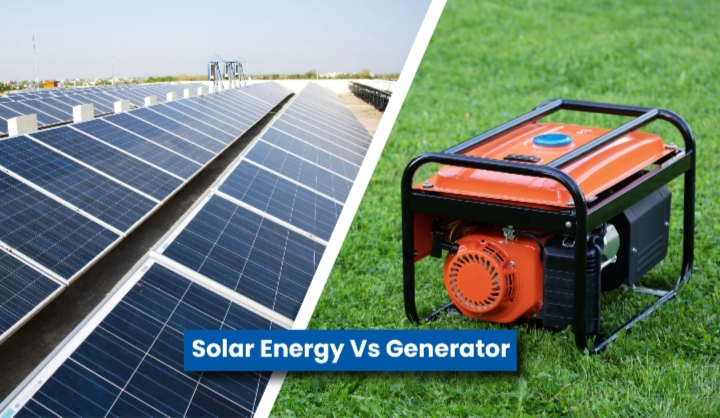
For many small and medium-sized businesses in Nigeria, electricity is both essential and unpredictable. To stay operational, SMEs often rely on a mix of grid power, generators, and increasingly, solar energy. Each option differs in cost, reliability, and long-term value.
Grid Electricity: Affordable but Inconsistent
Electricity from the national grid, overseen by the Nigerian Electricity Regulatory Commission, is generally the least expensive option.
Advantages:
- Lower cost per unit of electricity
- No need for major upfront investment
- Widely accessible in cities
Drawbacks:
- Frequent outages and unstable voltage
- Disruptions that can slow down business operations
- Potential damage to equipment
Cost Overview:
Tariffs typically range from about ₦60 to ₦120 per kWh, but unreliable supply often forces businesses to seek alternatives.
Generators: Dependable but Costly
Generators—powered by petrol or diesel—are a common solution for ensuring steady electricity, especially during outages.
Advantages:
- Provides consistent power on demand
- Can handle heavy energy loads
- Easy to acquire and operate
Drawbacks:
- High fuel and maintenance costs
- Exposure to fluctuating fuel prices
- Noise and environmental concerns
Cost Overview:
- Petrol: roughly ₦200–₦350 per kWh
- Diesel: about ₦180–₦300 per kWh
Over time, generators tend to be the most expensive power source.
Solar Energy: Expensive Setup, Cheaper Over Time
Solar power is becoming more attractive to SMEs looking for a stable and cost-efficient energy solution.
Advantages:
- Minimal running costs after installation
- Less dependence on fuel prices
- Quiet and environmentally friendly
- Can be expanded with battery systems
Drawbacks:
- High initial installation cost
- Requires proper system design
- Output depends on sunlight and storage capacity
Cost Overview:
- Setup can range from ₦500,000 to several million naira
- Long-term cost averages around ₦50–₦100 per kWh, often decreasing over time
Quick Comparison
| Factor | Grid Power | Generator Power | Solar Power |
|---|---|---|---|
| Initial Cost | Low | Moderate | High |
| Running Cost | Low | Very High | Very Low |
| Reliability | Low | High | Medium to High |
| Maintenance | Minimal | High | Low |
| Environmental Impact | Moderate | High | Minimal |
Choosing the Right Mix
Most SMEs don’t depend on just one power source—they combine options to balance cost and reliability:
- Grid + Generator: Common but expensive over time
- Solar + Grid: Helps cut electricity bills significantly
- Solar + Generator: Reduces fuel usage while ensuring backup
The right choice depends on your business needs:
- Retail and offices: Solar combined with grid supply is often sufficient
- Manufacturing: May still require generators for heavy-duty operations
- Digital and creative businesses: Solar with battery storage is increasingly practical
While grid electricity remains the cheapest, its inconsistency is a major limitation. Generators provide reliability but at a high cost, especially with rising fuel prices. Solar energy, despite its upfront expense, offers long-term savings and stability.
For SMEs planning for growth, investing in a hybrid energy setup especially one that includes solar can provide a more sustainable and cost-effective solution.