
-
Joyce
- April 24, 2026
- 0 Comments
- Uncategorized
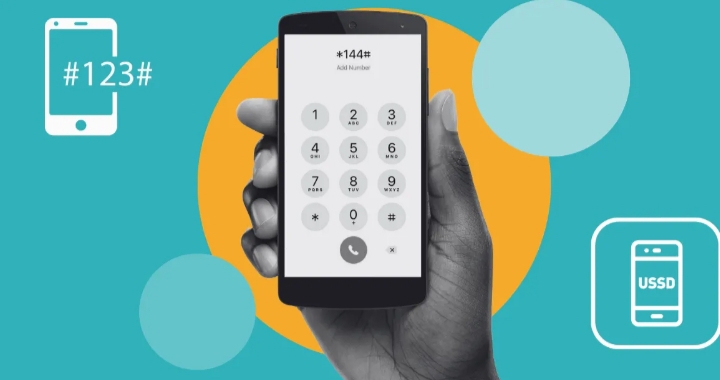
In many regions around the world—especially across Africa and other developing markets—reliable internet access is still limited or costly for a large portion of the population. At the same time, mobile phone usage continues to expand, including among users with basic feature phones. This gap creates an opportunity for USSD (Unstructured Supplementary Service Data) to serve as a practical and inclusive communication channel for businesses.
USSD is a GSM-based protocol that allows users to interact with services through short codes like *123#. Unlike apps or websites, it does not require an internet connection. It works on virtually any mobile device and provides real-time interaction, making it especially useful for reaching customers who are offline or have limited digital access.
Why USSD Is Valuable for Businesses
One of USSD’s biggest strengths is its accessibility. It enables businesses to serve customers regardless of device type, internet availability, or technical skills. Someone using a simple phone in a remote area can access the same services as a smartphone user in an urban center, significantly widening market reach.
USSD is also quick and efficient. Users can navigate menus, input data, and receive responses almost instantly. There’s no need for downloads or updates, which often leads to better engagement and higher completion rates compared to more complex digital platforms.
Cost is another advantage. For users, USSD is typically more affordable than data-based services. For businesses, it reduces the need to build and maintain expensive mobile apps or web platforms, lowering operational overhead.
Typical Use Cases Across Industries
USSD has been widely adopted in sectors like banking and fintech, where it allows users to check balances, transfer funds, and pay bills without internet access—helping drive financial inclusion.
Telecom providers use USSD for services such as airtime recharge and data bundle purchases. Retailers can leverage it for placing orders, checking product availability, and running promotions. In healthcare, it supports appointment scheduling and patient communication, while governments and NGOs use it for surveys and public service announcements.
In agriculture, farmers use USSD to access market prices and weather updates. In education, it enables services like exam result checking and course registration. Its flexibility makes it suitable for a wide range of applications.
Designing a Good USSD Experience
Despite its simplicity, effective USSD design requires careful planning. Sessions are time-limited, so interactions must be short and direct. Menus should be easy to understand, with as few steps as possible to complete a task.
Language choice is critical. Supporting local languages can greatly improve usability and adoption. Since many users may not be familiar with digital systems, instructions should be clear and straightforward.
Security is also important, particularly for financial transactions. Measures such as PIN authentication and automatic session timeouts can help protect user data.
Challenges to Keep in Mind
USSD does have its limitations. It is text-based, meaning it cannot support images, videos, or other rich content. This restricts the type of user experience businesses can offer.
Session time limits can make complex processes difficult to complete. Additionally, deploying USSD services often requires collaboration with mobile network operators, which may involve regulatory hurdles and revenue-sharing agreements.
Integrating USSD with backend systems like payment platforms or customer databases can also require technical effort and investment.
USSD’s Role in the Future
Even as internet access and smartphone usage continue to grow, USSD remains relevant—particularly in areas where connectivity is still a challenge. It also works well as a complementary channel within a broader digital strategy.
For example, a customer might learn about a service online but choose to complete a transaction via USSD because it’s faster or cheaper. This kind of hybrid approach allows businesses to serve a wider range of users effectively.
Ultimately, USSD supports inclusive growth by ensuring that people without internet access are not excluded from essential services. It helps businesses expand their reach while contributing to economic and social inclusion.
Conclusion
USSD provides a simple yet powerful way for businesses to engage customers beyond the limits of internet connectivity. Its wide accessibility, low cost, and ease of use make it a valuable tool in diverse markets. While it may not replace modern digital platforms, it plays a crucial role in bridging the digital divide.
For businesses looking to grow and reach underserved audiences, USSD is more than just an alternative—it’s a strategic asset.