
-
Joyce
- April 17, 2026
- 0 Comments
- African Cybersecurity
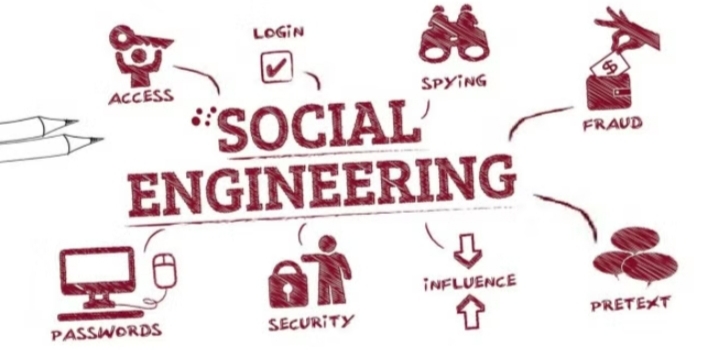
In cybersecurity, attacks don’t always depend on sophisticated code or technical exploits. Many of the most successful breaches rely on social engineering a strategy that targets human psychology instead of computer vulnerabilities. By manipulating emotions like trust, fear, or curiosity, attackers can access sensitive information without ever touching a line of code.
Understanding Social Engineering
Social engineering involves deceiving individuals into disclosing confidential information such as passwords, financial details, or login credentials. Rather than breaking into a system, the attacker convinces the victim to provide access voluntarily often without realizing what’s happening.
This method is effective because people, not machines, are often the weakest point in security. Even highly protected systems can be compromised if a user is tricked into granting entry.
Common Attack Methods
One of the most common tactics is phishing, where attackers send messages that appear legitimate often pretending to be from banks, companies, or trusted contacts to trick recipients into clicking links or sharing private data.
Another approach is pretexting, where the attacker invents a believable scenario, such as posing as technical support, to gain trust. Baiting is also widely used, offering something appealing like free content or devices to lure victims into compromising their security.
In physical settings, tailgating occurs when an unauthorized person gains entry to a restricted area by following someone who has legitimate access.
Real-World Consequences
Social engineering has played a major role in many high-profile security breaches. Organizations are frequent targets, as attackers know that compromising one employee’s account can provide access to larger systems.
On a personal level, victims may face identity theft, financial damage, and loss of privacy due to stolen information.
Why These Attacks Succeed
These tactics work because they exploit natural human tendencies. People tend to trust authority figures, respond quickly to urgent situations, and prefer convenience over caution. For instance, a message warning of suspicious account activity may prompt someone to act immediately without verifying its authenticity.
By creating a sense of urgency, attackers reduce the chance that victims will stop and think critically.
Staying Protected
Preventing social engineering attacks requires awareness as much as technology. Individuals should be cautious with unexpected messages, verify requests for sensitive information, and avoid clicking unfamiliar links or downloading unknown files.
Practices like confirming email sources, enabling multi-factor authentication, and questioning unusual requests can greatly improve security.
Social engineering demonstrates that cybersecurity isn’t just about technology it’s also about human behavior. As long as people can be influenced, attackers will continue to exploit that vulnerability.
However, with the right awareness and habits, individuals can strengthen their defenses and reduce the risk of falling victim to these deceptive tactics.