
-
Joyce
- April 17, 2026
- 0 Comments
- African Cybersecurity
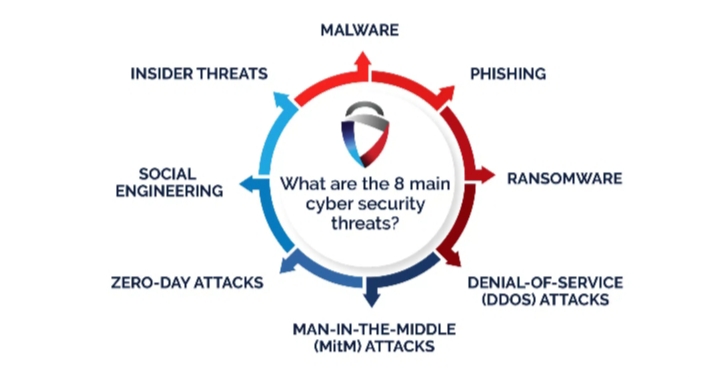
As technology becomes a bigger part of daily life, cyber threats are affecting not just large organizations but also individuals and small businesses. From data theft to system disruptions, knowing the most common types of cyber risks is essential for staying safe online.
Phishing Scams
Phishing is one of the most frequent cyber threats. It involves attackers posing as trusted institutions such as banks or popular websites to trick people into sharing sensitive details like passwords or financial information.
These scams often appear as emails, text messages, or fake websites that look legitimate. Clicking on a suspicious link can quickly expose your personal data.
Malicious Software (Malware)
Malware refers to harmful programs created to damage devices or steal information. This category includes viruses, spyware, worms, and trojans.
It typically spreads through unsafe downloads, infected email attachments, or compromised websites. Once inside a system, it can monitor activity, delete files, or allow unauthorized access.
Ransomware Attacks
Ransomware is a form of malware that locks users out of their files by encrypting them. Cybercriminals then demand payment, often in digital currency, to restore access.
These attacks can cause serious losses, and paying the ransom does not always guarantee that the files will be recovered.
Identity Fraud
Identity fraud happens when criminals obtain personal information such as names, banking details, or identification numbers to impersonate someone else. This can result in unauthorized financial transactions or other fraudulent activities.
It is often linked to data leaks, phishing attempts, or poor password practices.
Man in the Middle Attacks
In this type of attack, hackers intercept communication between two parties without their knowledge. This commonly occurs on unsecured public Wi-Fi networks, where sensitive data like login credentials can be captured.
Users are often unaware that their information is being accessed.
Denial of Service Attacks
Denial of Service (DoS) attacks aim to overload a system, website, or server with excessive traffic, causing it to slow down or crash. When multiple systems are used in the attack, it becomes a Distributed Denial of Service (DDoS).
Such attacks can interrupt services and lead to financial and operational setbacks.
Password Breaches
Password-related attacks involve attempts to gain unauthorized access by guessing or stealing login credentials. Techniques like brute force attacks try numerous combinations, while credential stuffing uses previously leaked passwords.
Using weak or repeated passwords increases vulnerability to these attacks.
Social Engineering Tactics
Social engineering focuses on manipulating people rather than exploiting technical weaknesses. Attackers may create a sense of urgency or trust to persuade individuals to reveal confidential information or perform unsafe actions.
Examples include fake support calls or urgent security alerts.
Insider Risks
Some threats come from within an organization. Insider risks involve employees or associates who misuse their access to data or systems, either deliberately or by mistake.
Conclusion
Cyber threats continue to evolve, making awareness more important than ever. Understanding risks such as phishing, malware, and identity fraud helps individuals take preventive steps, including using strong passwords, avoiding suspicious links, and keeping software up to date.
Being cautious and informed is key to protecting your digital presence and personal information.