
-
Joyce
- April 16, 2026
- 0 Comments
- African Cybersecurity
Introduction
As more aspects of life move online, concerns about digital privacy and security continue to grow. One commonly suggested solution is a Virtual Private Network (VPN). However, with so many services available, it’s worth asking whether using a VPN is truly necessary for everyone.
What Is a VPN?
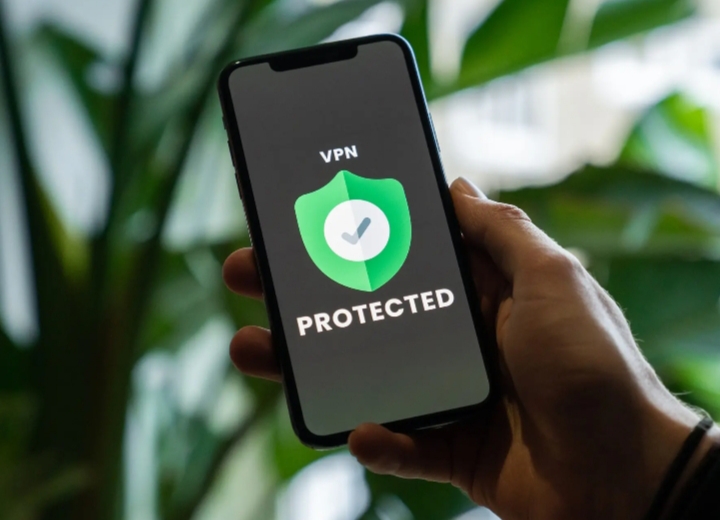
A VPN is a tool that secures your internet connection by encrypting your data and routing it through a remote server. This process conceals your IP address and makes your online activities harder to trace. Well-known services like NordVPN, ExpressVPN, and Proton VPN provide simple applications that allow users to connect safely with minimal effort.
How VPNs Function
When you use a VPN, your information is encrypted before it leaves your device. It is then transmitted through a secure server located elsewhere, which masks your actual location and identity. As a result, it may appear that you are browsing from a different region.
Reasons People Use VPNs
Protecting Privacy
VPNs help keep your online activity hidden from internet providers, advertisers, and cybercriminals, making them useful for maintaining privacy.
Securing Public Wi-Fi
Public networks, such as those in airports or cafés, can be risky. A VPN adds protection by encrypting your connection, lowering the chances of your data being intercepted.
Accessing Geo-Restricted Content
Some users turn to VPNs to reach content that is unavailable in their location. By connecting to servers in other countries, they can bypass regional restrictions.
Reducing Online Tracking
VPNs can limit how much websites and advertisers track your behavior, helping to reduce targeted data collection.
Do You Actually Need One?
Situations Where a VPN Helps
A VPN is especially useful if you:
- Regularly connect to public Wi-Fi
- Work with sensitive or personal data online
- Prioritize privacy and anonymity
- Travel and need access to home-based services
Situations Where It May Not Be Necessary
You may not need a VPN if you:
- Mostly use secure, private internet connections
- Do not deal with sensitive information
- Already follow good security practices like using HTTPS and enabling two-factor authentication
Limitations of VPNs
Although VPNs enhance security, they are not foolproof. They do not guarantee complete anonymity and cannot protect against threats like malware or phishing. Additionally, using a VPN can sometimes reduce internet speed.
Conclusion
VPNs can be valuable tools, but they are not essential for every user. Their usefulness depends on your online behavior, security needs, and privacy concerns. For some, a VPN offers added reassurance, while for others, basic safety measures may be sufficient.
In the end, knowing both the benefits and the limits of VPNs will help you decide whether you truly need one.