
 Joyce
Joyce 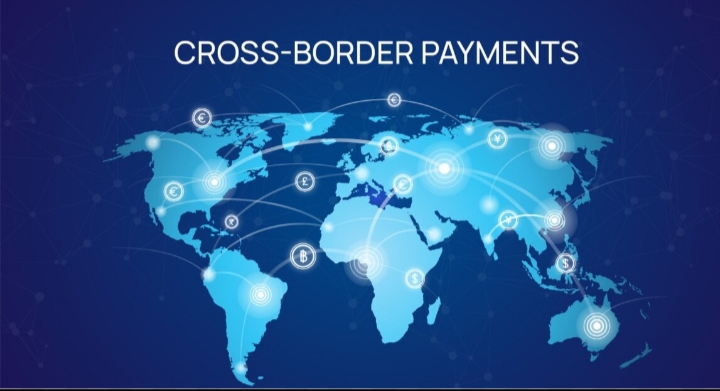
As global connections continue to expand, cross-border payments have become essential for businesses and individuals alike. Whether supporting international trade, remote work, online commerce, or remittances, the movement of money across borders is a key part of modern economic activity. However, despite progress in financial technology, several obstacles still make these transactions complex and sometimes inefficient.
One of the primary concerns is the high cost of transactions. Traditional international transfers often pass through multiple banks or intermediaries, each adding their own fees. On top of that, currency exchange charges can significantly increase the total expense, particularly for individuals and small businesses making frequent transfers.
Delays in processing are another major challenge. International payments can take several days to complete due to differences in banking systems, time zones, and necessary compliance procedures. These delays can disrupt business operations and create inconvenience for users who need quick access to funds.
Transparency is also a persistent issue. Many users are not fully aware of the fees involved or the exchange rates applied until the transaction is finalized. This lack of clarity makes it difficult to determine how much the recipient will actually receive and can reduce confidence in the system.
In addition, varying regulations across countries complicate the process. Different legal requirements, anti-money laundering measures, and compliance standards can make cross-border transactions more difficult to manage, sometimes resulting in delays or failed transfers.
Security concerns further add to the complexity. International payments can be exposed to risks such as fraud, cyberattacks, and unauthorized access, especially when users rely on unfamiliar platforms or systems.
To address these challenges, new solutions are being developed. Fintech companies are offering innovative alternatives that are often faster, more cost-effective, and more transparent than traditional banking methods. By reducing the number of intermediaries, these platforms streamline the transfer process.
Blockchain technology is also gaining attention as a potential game changer. Its decentralized nature allows for secure and transparent transactions while reducing processing times and costs by limiting the involvement of third parties.
The rise of real-time payment systems is another important development. Countries are increasingly building instant payment networks that can connect internationally, enabling quicker and more efficient transfers.
Efforts to improve regulatory cooperation between nations are also helping to ease the process. By creating more standardized systems and fostering collaboration between financial institutions, cross-border payments can become more seamless.
Moreover, enhanced transparency tools now allow users to view fees, exchange rates, and expected delivery times before completing transactions. This helps build trust and enables better financial decision-making.
Overall, while cross-border payments still face notable challenges, ongoing innovations are driving meaningful improvements. With continued advancements in technology and regulation, international money transfers are becoming faster, more affordable, and more reliable, supporting global economic growth and financial inclusion.