
 Joyce
Joyce 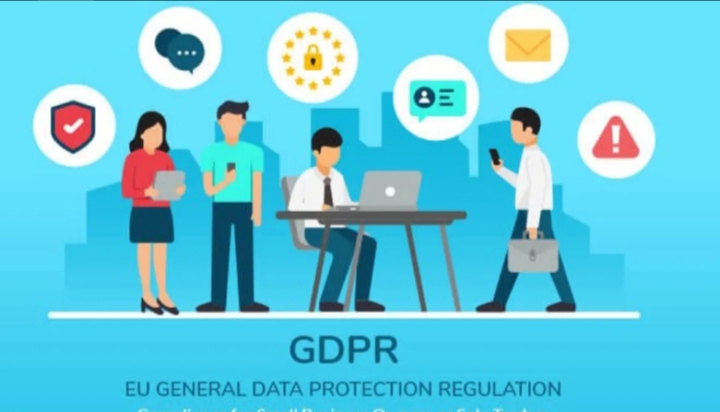
The internet has made it possible for Nigerian bloggers to reach audiences far beyond the country’s borders. Whether you run a personal blog, a news website, or a niche publication, there’s a good chance some of your readers come from Europe or the United States. While this global reach creates new opportunities, it also brings important responsibilities especially when it comes to protecting users’ personal data.
One of the most significant regulations affecting website owners is the General Data Protection Regulation (GDPR), the European Union’s data privacy law. Although it was introduced by the EU, GDPR can apply to businesses and individuals outside Europe if they collect or process the personal information of people living in EU member states. This means a Nigerian blogger may need to comply with certain GDPR requirements if European visitors subscribe to newsletters, leave comments, or submit contact forms.
To reduce compliance risks, bloggers should clearly explain what information they collect, why they collect it, and how it is used. Publishing a comprehensive privacy policy is an important first step. Visitors should also be informed if cookies are used for analytics, advertising, or website functionality, with consent obtained where required before non-essential cookies are activated.
Email marketing is another area where compliance matters. Bloggers should obtain clear permission before adding visitors to mailing lists and make it easy for subscribers to withdraw their consent or unsubscribe at any time. Maintaining transparent communication helps build trust while meeting data protection expectations.
Although the United States does not have a single nationwide privacy law comparable to GDPR, several states have introduced their own data privacy regulations. Depending on where your audience is located, you may need to consider additional requirements, particularly if your website collects significant amounts of personal information or generates revenue through targeted advertising.
Beyond legal obligations, adopting good data privacy practices benefits both bloggers and their audiences. Limiting the amount of personal data collected, using secure hosting services, enabling HTTPS encryption, and regularly updating website software can help protect user information from unauthorized access or cyber threats.
For Nigerian bloggers looking to grow internationally, privacy compliance should be viewed as part of responsible website management rather than simply a legal requirement. Demonstrating transparency about data collection and respecting users’ privacy can strengthen credibility, improve audience confidence, and support long-term growth in an increasingly privacy-conscious digital landscape.