
 Joyce
Joyce 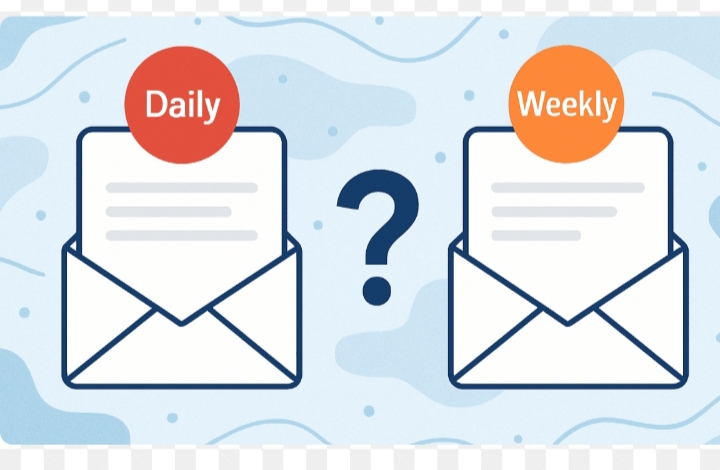
Email newsletters remain one of the most effective ways for businesses and creators to connect with their audiences. However, deciding how often to send emails can make a significant difference in subscriber engagement. While some brands communicate every day, others prefer a weekly schedule. The challenge is finding the right balance between staying visible and overwhelming readers.
Daily emails can be highly effective when they consistently deliver timely, relevant, or valuable content. News organizations, financial platforms, and e-commerce brands often rely on frequent communication to keep audiences informed about breaking stories, market updates, or limited-time offers. When readers expect and benefit from regular updates, daily emails can strengthen engagement and encourage repeat interactions.
The downside, however, is that excessive messaging can lead to email fatigue. If subscribers receive too many emails that offer little value or become repetitive, they may begin ignoring messages, deleting them without reading, or unsubscribing altogether. A crowded inbox often forces readers to prioritize only the content they find most useful.
Weekly emails generally provide a more measured approach. Sending one well-crafted newsletter each week gives businesses enough time to create meaningful content while allowing subscribers to absorb information without feeling overwhelmed. Weekly communication also makes it easier to compile updates, insights, promotions, and announcements into a single, more comprehensive message.
That said, a weekly schedule is not without its drawbacks. Brands that communicate too infrequently risk losing visibility, especially in fast-moving industries where customers expect regular updates. Long gaps between emails may also reduce familiarity, making subscribers less likely to engage when messages finally arrive.
Ultimately, there is no universal rule for email frequency. The best schedule depends on the audience, the type of content being shared, and the value each email delivers. Rather than focusing solely on how often messages are sent, businesses should prioritize quality, relevance, and consistency.
Subscribers are far more likely to remain engaged when every email serves a clear purpose. Whether emails arrive daily or weekly, readers appreciate communication that informs, educates, or solves a problem. The key to avoiding burnout is not simply sending fewer emails it is ensuring that every message is worth opening.