
 Joyce
Joyce 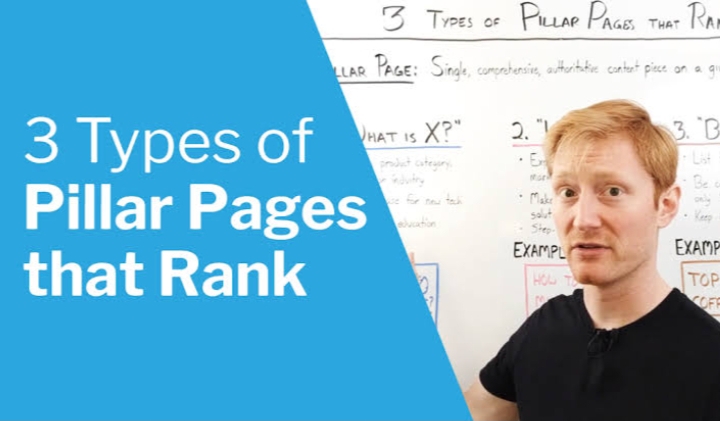
As SEO continues to evolve, content creators and marketers often face a common question: should they focus on building pillar pages or publishing listicles? Both content formats can drive organic traffic, but they serve different purposes and achieve results in different ways.
Rather than asking which format Google prefers, a better question is: which format best meets user intent and supports your overall SEO strategy?
Understanding Pillar Pages
A pillar page is a detailed, authoritative piece of content that covers a broad subject from multiple angles. It serves as the foundation of a topic cluster, connecting to related articles that explore individual subtopics in greater depth.
For instance, a website focused on digital marketing might publish a pillar page called “Content Marketing: The Complete Guide.” This page could include sections on strategy development, SEO, content distribution, analytics, and more, with links to dedicated articles covering each area.
The purpose of a pillar page is to provide a comprehensive resource while signaling expertise and topical relevance to search engines.
Understanding Listicles
A listicle is content organized in a numbered or bulleted list format. Examples include:
- 20 Best SEO Tools for Marketers
- 15 Ways to Increase Organic Traffic
- 10 Content Marketing Trends to Watch
- 25 Productivity Apps for Remote Teams
Listicles are popular because they present information in a concise, easy-to-scan format. Readers can quickly identify key takeaways without reading a lengthy guide.
How Search Engines Assess Content
Search engines do not automatically favor one format over another. Instead, they prioritize content that effectively fulfills user intent.
Key ranking considerations include:
- Relevance to the search query
- Content quality and accuracy
- Depth of information
- User experience
- Authority and expertise
- Internal linking structure
- Engagement signals
As a result, either a pillar page or a listicle can rank highly if it delivers the information users are seeking.
Situations Where Pillar Pages Excel
Pillar pages typically perform best for broad and competitive topics that require extensive explanations.
Examples include:
- Search engine optimization
- Email marketing
- Project management
- Cybersecurity
- Financial planning
Users searching these topics often want comprehensive guidance rather than a quick overview.
Benefits of Pillar Pages
Establish Strong Topic Authority
Because pillar pages cover a subject thoroughly, they help position a website as a trusted source of information.
Improve Internal Linking
Pillar content naturally connects related articles, creating a clear site structure that benefits both users and search engines.
Earn More Backlinks
Comprehensive resources are more likely to attract citations and references from other websites, increasing link-building opportunities.
Deliver Long-Term Value
Although they may require more effort to create, pillar pages often maintain rankings for extended periods when updated regularly.
Situations Where Listicles Perform Better
Listicles are highly effective when users are looking for recommendations, comparisons, ideas, or quick solutions.
Common examples include:
- Best project management software
- Top email marketing platforms
- SEO tips for beginners
- Content marketing examples
These searches often favor content that delivers immediate answers in a structured format.
Benefits of Listicles
Increase Click-Through Rates
Headlines containing numbers tend to attract attention and encourage users to click.
Enhance Readability
List-based formatting allows visitors to scan content quickly and find relevant information faster.
Require Less Production Time
Compared to comprehensive guides, listicles can often be created and published more efficiently.
Support Commercial Searches
Many purchase-related searches involve product comparisons or recommendations, making listicles particularly effective for commercial intent keywords.
Comparing Pillar Pages and Listicles
| Factor | Pillar Page | Listicle |
|---|---|---|
| Topic Coverage | Extensive | Focused |
| Authority Building | Strong | Moderate |
| Ease of Reading | Moderate | High |
| Link-Building Potential | High | Moderate |
| Internal Linking Benefits | Excellent | Limited |
| Click-Through Potential | Moderate | High |
| Content Creation Effort | High | Lower |
| Longevity | Strong | Moderate |
| Commercial Intent Performance | Good | Excellent |
Which Format Drives More Organic Traffic?
Pillar pages often generate more sustainable traffic because they target a broad range of related keywords and search variations. A well-optimized pillar page can rank for hundreds of terms associated with a topic.
Listicles, however, frequently gain traction faster because they focus on specific search intents and are easier for users to consume.
The outcome depends on the keyword strategy, competition level, and user expectations behind the search.
Why Combining Both Formats Works Best
The strongest SEO strategies use pillar pages and listicles together rather than treating them as competing approaches.
A practical structure might look like this:
Core Pillar Page
The Ultimate Guide to SEO
Supporting Listicles
- 20 SEO Mistakes to Avoid
- 15 Link-Building Techniques
- 25 SEO Tools Worth Using
- 10 Local SEO Strategies
The supporting articles link back to the pillar page, while the pillar page links to each supporting resource. This interconnected structure strengthens topical authority and improves search visibility across related keywords.
Final Thoughts
There is no universal winner in the pillar page versus listicle debate. Each format serves a different purpose and can perform exceptionally well when aligned with user intent.
Pillar pages are generally more effective for establishing authority, covering broad subjects, and building long-term organic visibility. Listicles, on the other hand, are excellent for attracting clicks, addressing specific questions, and targeting commercial search intent.
For the best SEO results, use pillar pages as the foundation of your content strategy and support them with well-optimized listicles. Together, they create a balanced content ecosystem that improves rankings, expands keyword coverage, and delivers greater value to readers.