
 Joyce
Joyce 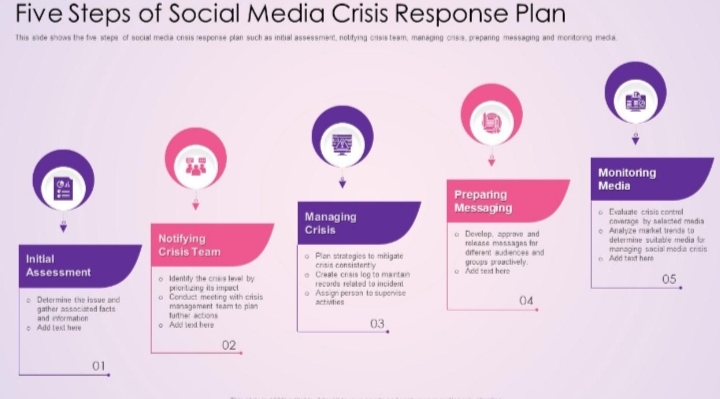
In an era where information spreads instantly online, a single social media incident can escalate into a full-blown reputational crisis. Whether triggered by an insensitive post, customer backlash, misinformation, service disruption, or security breach, organizations must be ready to respond quickly and strategically. A strong social media crisis management plan helps limit damage, protect credibility, and guide communication during high-pressure situations.
Understanding a Social Media Crisis
A social media crisis refers to a situation where negative attention online grows rapidly and begins to threaten an organization’s image, trust, or operations. Unlike ordinary complaints or negative reviews, crises tend to go viral, attract media coverage, and spread across multiple platforms.
Common triggers include poor customer service incidents, controversial content, employee misconduct, defective products, cyber incidents, or misleading narratives about a brand.
Build a Dedicated Response Team
Effective crisis management starts with preparation. Organizations should establish a trained team responsible for handling communication and decision-making during emergencies.
This team typically includes members from communications, public relations, legal, customer support, human resources, IT, and senior leadership. Clearly defined roles ensure fast coordination and reduce confusion when pressure is high.
Monitor Online Conversations
Early awareness can prevent escalation. Brands should continuously track mentions, comments, hashtags, and discussions across major social platforms using monitoring tools.
Spotting early warning signs allows organizations to respond before issues gain widespread attention.
Evaluate the Situation
Not every negative comment qualifies as a crisis. It is important to assess the seriousness of the issue before taking action.
Key considerations include:
- The speed at which the issue is spreading
- Media involvement or public attention
- Potential legal, ethical, or safety implications
- Impact on customers, staff, or stakeholders
- Risk to brand reputation
This evaluation helps determine how urgently and strongly to respond.
Create a Consistent Response
Once a crisis is confirmed, organizations should respond with a clear and unified message. Communication should be prompt, factual, and consistent across all platforms.
Responses may include acknowledging the issue, correcting false information, apologizing when necessary, and explaining corrective measures.
Delays or silence can often worsen public reaction.
Maintain Transparency
Honest communication is essential during a crisis. Audiences tend to respond better when organizations openly acknowledge issues and take responsibility where appropriate.
If full details are not yet available, it is better to share known facts and commit to updates rather than speculate or mislead.
Ensure Message Consistency
All communication channels—including social media, press statements, websites, and customer support—should deliver aligned messaging.
Consistency helps avoid confusion and strengthens trust with stakeholders.
Handle Public Interaction Carefully
During a crisis, online engagement should be calm and professional. Avoid confrontational responses, even when faced with criticism.
Where possible, direct users to official updates and maintain a respectful tone throughout interactions.
Keep Detailed Records
All actions taken during a crisis should be documented, including posts, responses, internal decisions, and external reactions.
This record is valuable for legal purposes, accountability, and future improvement of crisis strategies.
Review and Improve After the Crisis
Once the situation is resolved, organizations should conduct a thorough review of their response.
This includes evaluating response time, communication effectiveness, stakeholder perception, and overall impact. Lessons learned should be used to refine existing crisis plans.
Essential Components of a Crisis Plan
A complete social media crisis management plan should include:
- Procedures for identifying potential crises
- Escalation and approval workflows
- Clearly assigned roles and responsibilities
- Pre-approved communication templates
- Monitoring and alert systems
- Contact lists for key stakeholders
- Post-crisis evaluation framework
Conclusion
Social media crises can develop quickly and spread widely, making preparation critical. With a well-structured response plan, organizations can react swiftly, communicate clearly, and protect their reputation. Through monitoring, coordination, transparency, and continuous improvement, brands can handle online crises more effectively and maintain public trust even in difficult situations.