
 Joyce
Joyce 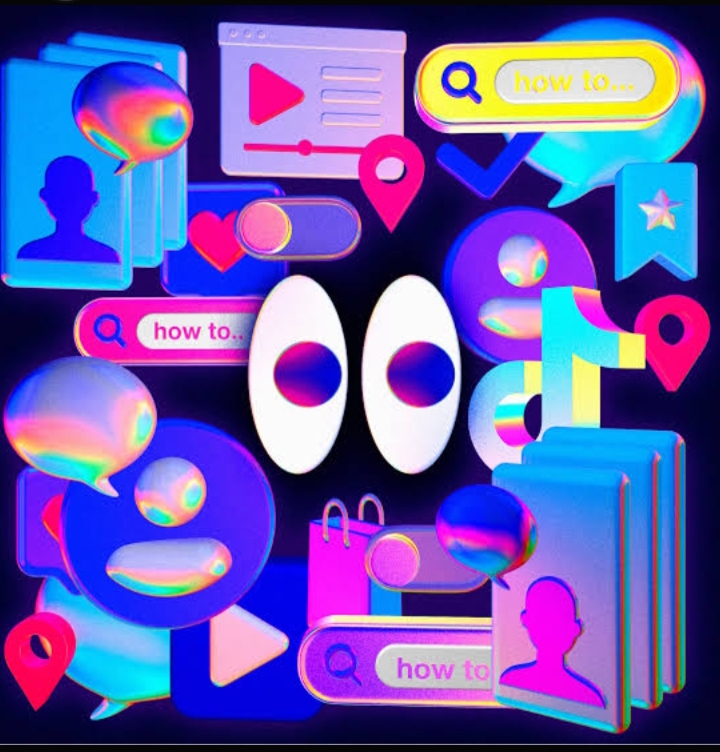
The way people search for information online is changing rapidly. For many years, Google remained the dominant source for finding answers on the internet. Today, however, a growing number of young people especially Generation Z are turning to TikTok and other social media platforms instead of traditional search engines.
This shift has introduced a new digital trend known as “social search,” where users rely on social media apps to discover information, recommendations, tutorials, and reviews.
What Is Social Search?
Social search involves using platforms like TikTok, Instagram, and YouTube to look for information rather than using conventional search engines such as Google.
For Gen Z, social media feels more engaging and convenient because it combines entertainment with useful content. Instead of reading long articles or browsing multiple websites, users can quickly watch short videos that provide direct answers to their questions.
From beauty tips and travel ideas to restaurant reviews and study advice, social media has become a major source of information for younger audiences.
Reasons Gen Z Prefers TikTok
Quick and Visual Content
TikTok presents information through short videos that are simple, fast, and visually appealing. Many users find it easier to watch a one-minute explanation than to read lengthy web pages.
Since Gen Z grew up in a digital environment filled with smartphones and video content, visual communication feels more natural to them.
More Relatable Experiences
Young users often trust creators who share real-life experiences and honest opinions. TikTok influencers usually present information in a casual and personal way, making their content feel more authentic than traditional websites or advertisements.
For instance, someone searching for skincare advice may prefer watching a creator demonstrate products instead of reading a formal online review.
Personalized Recommendations
TikTok’s algorithm is designed to understand users’ interests and display content based on their preferences. This makes searches feel more customized and relevant.
Unlike Google, which mainly provides website links, TikTok delivers information in an entertaining and highly personalized format.
Learning Through Entertainment
One of TikTok’s biggest strengths is its ability to combine education with entertainment. Users can discover new ideas, learn skills, or get product recommendations while enjoying engaging content.
This interactive style keeps users interested and encourages longer engagement.
Strong Community Interaction
Social search also feels more social and interactive. Users can comment, ask questions, and communicate directly with creators and other viewers.
Gen Z values online communities and peer recommendations, which makes social media platforms more appealing than traditional search engines.
Effects on Traditional Search Engines
The increasing popularity of TikTok as a search platform is influencing companies like Google to adapt. Search engines are now focusing more on video content, visual search features, and creator-driven results to remain competitive.
Businesses are also changing their marketing strategies by investing more in influencer marketing and short-form video content to reach younger audiences.
Challenges of Social Search
Despite its advantages, social search also presents several concerns.
Spread of False Information
Because anyone can post content on TikTok, inaccurate or misleading information can spread easily. Unlike professional websites or verified sources, viral videos are not always reliable.
Lack of Detailed Information
Short videos are useful for quick answers, but they may not fully explain complex topics. Important details are sometimes left out for the sake of speed and entertainment.
Influence of Algorithms
Social media algorithms often prioritize content that generates strong reactions and engagement. This can limit exposure to different viewpoints and create digital echo chambers.
The Future of Online Search
The rise of social search shows that online behavior is becoming more visual, interactive, and personalized. However, traditional search engines are still important for in-depth research and reliable information.
In the future, people will likely use both systems together — social media for quick and engaging content, and search engines for detailed and trustworthy research.
Conclusion
Gen Z’s growing preference for TikTok over Google reflects a major shift in how information is consumed online. Social search provides speed, entertainment, authenticity, and personalized experiences that appeal strongly to younger users.
At the same time, concerns about misinformation and shallow content remain important issues. As technology continues to evolve, users must learn how to balance convenience with accuracy in the digital age.