
 Joyce
Joyce 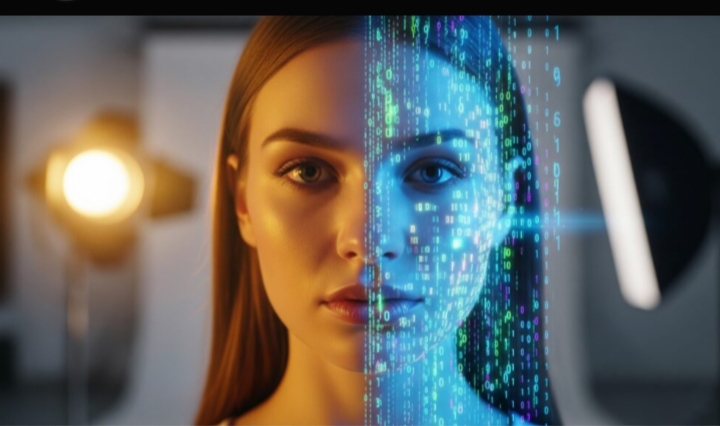
Artificial intelligence is reshaping the digital landscape at an incredible pace, and social media is among the industries experiencing the biggest transformation. One of the most remarkable trends today is the emergence of AI-generated influencers virtual personalities created through artificial intelligence, machine learning, and advanced computer graphics. These digital characters create content, promote brands, communicate with followers, and build strong online communities despite not being real humans.
As these virtual influencers continue gaining popularity, an important debate has emerged: do they pose a danger to human creativity and society, or are they opening doors to new opportunities?
What Are AI-Generated Influencers?
AI-generated influencers are digital personalities designed to function like human social media influencers. They are often given realistic appearances, distinct personalities, and carefully crafted lifestyles. Managed by creative and technical teams, they can interact with audiences online continuously without the physical or emotional limitations that humans experience.
Unlike traditional influencers, virtual influencers do not age, become exhausted, or create unexpected scandals unless intentionally programmed to do so. This makes them attractive to companies looking for reliable and controllable marketing ambassadors.
Today, several AI influencers have gained millions of followers on platforms such as Instagram, TikTok, and YouTube, showing that many internet users are willing to engage with virtual personalities.
Benefits of AI Influencers
Expanding Creative Innovation
AI influencers provide endless possibilities for creativity and digital storytelling. Creators can design characters that exist beyond the limits of reality, allowing them to explore futuristic ideas, imaginative fashion, and unique visual experiences.
This technology introduces a fresh and exciting medium for artistic and creative expression.
More Affordable Marketing
For businesses, AI influencers can reduce many of the costs associated with traditional influencer marketing. Brands no longer need to worry about travel expenses, scheduling conflicts, or unpredictable behavior from public figures.
Because virtual influencers are fully controlled by their creators, companies can maintain a consistent brand image while reducing risks linked to human controversy.
Reaching a Global Audience
Virtual influencers can easily communicate in different languages and adapt their content to suit various cultures and regions. This allows companies to connect with international audiences more effectively.
AI technology can also personalize interactions with followers, making online engagement feel more direct and interactive.
Growth in the Technology Sector
The rise of AI influencers is also creating opportunities in industries such as animation, artificial intelligence, digital marketing, graphic design, and content development. As demand grows, new jobs and businesses are likely to emerge around this technology.
Challenges and Risks
Despite the opportunities they bring, AI-generated influencers also present several concerns.
Decline in Authenticity
One major criticism is the absence of genuine human experience. Human influencers often connect with audiences through real-life stories, emotions, and personal struggles. AI influencers imitate these traits without truly experiencing them.
As a result, social media may become less authentic and more artificial over time.
Threat to Human Jobs
As companies increasingly invest in virtual influencers, human content creators, models, photographers, and influencers may lose opportunities. Independent creators could struggle to compete against highly polished AI personalities supported by major corporations.
This could increase inequality within the creative industry.
Ethical Concerns
AI influencers can shape public opinions and influence consumer behavior just like human influencers. However, because they are digitally created, there are concerns about manipulation and honesty.
Many users, especially younger audiences, may not fully understand that these virtual figures are marketing tools created to influence their decisions and emotions.
Unrealistic Social Standards
Most AI influencers are designed to appear physically perfect. Their flawless looks may contribute to unhealthy beauty standards and negatively affect the confidence and mental well-being of social media users.
Since they are not human, they do not reflect natural imperfections or realistic lifestyles.
Striking the Right Balance
AI-generated influencers should not be viewed entirely as a problem or entirely as a solution. Like most technological advancements, their impact depends on how responsibly they are used.
Transparency is extremely important. Audiences should always be informed when content is produced by AI-generated personalities. Governments and digital platforms may also need regulations to ensure ethical advertising and protect users from misleading content.
At the same time, human influencers still possess qualities that artificial intelligence cannot fully reproduce, such as genuine emotions, personal experiences, and authentic relationships with audiences.
Instead of replacing humans completely, AI influencers may simply become another part of the evolving digital environment.
Conclusion
AI-generated influencers are both an opportunity and a challenge in the modern digital age. They offer innovation, efficiency, and new creative possibilities, but they also raise concerns about authenticity, ethics, employment, and social impact.
As artificial intelligence continues to advance, society must find ways to encourage innovation while protecting human values. The future of social media will likely involve both human and AI influencers coexisting in a rapidly changing online world.