
-
Joyce
- May 4, 2026
- 0 Comments
- African Cybersecurity
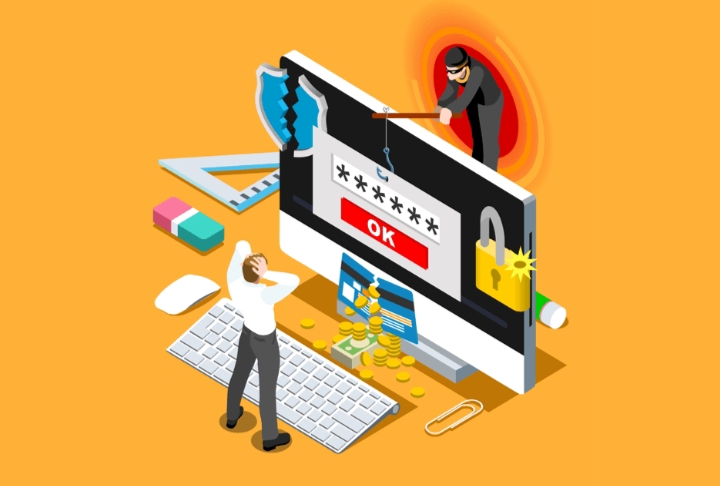
Identity theft isn’t some rare, high-tech crime anymore it’s a growing, everyday risk for anyone who uses banking services, a mobile phone, or the internet. Knowing how it happens, recognizing the warning signs early, and taking simple precautions can help you avoid serious financial and emotional consequences.
What Is Identity Theft?
Identity theft happens when someone illegally accesses and uses your personal information such as your name, bank details, or identification numbers typically to commit fraud. This could involve opening accounts, making unauthorized purchases, or carrying out illegal activities in your name.
Warning Signs to Watch For
Identity theft often goes unnoticed at first. Pay attention to these common indicators:
1. Unusual Transactions
If you notice charges or withdrawals you didn’t authorize, even small ones, it could mean someone is testing access to your account.
2. Missing Communications
A sudden stop in receiving bank alerts, bills, or official messages might suggest that someone has altered your contact information.
3. Unknown Accounts or Loans
Notifications about accounts or credit facilities you never applied for are a major red flag.
4. Unexpected Denials
If you’re denied loans or services without clear reason, it could be due to fraudulent activity tied to your identity.
5. Suspicious Contact Attempts
Fraudsters may impersonate banks or institutions through calls, texts, or emails to trick you into revealing sensitive information.
How It Happens
Identity thieves use several methods, including:
- Phishing emails and text messages
- Fake websites and mobile apps
- Exploiting unsecured public Wi-Fi
- Data leaks from organizations
- Stealing physical documents or cards
How to Protect Yourself
Taking proactive steps can significantly reduce your risk:
1. Keep Personal Information Private
Only share sensitive details like your identification numbers or passwords through trusted and secure channels.
2. Use Strong Passwords
Create unique, complex passwords for different accounts to make them harder to crack.
3. Turn On Two-Factor Authentication
Adding a second layer of verification helps keep your accounts secure.
4. Check Your Accounts Regularly
Frequently review your bank activity and enable transaction alerts to stay informed.
5. Stay Alert Online
Avoid clicking on unfamiliar links or downloading files from unknown sources. Always confirm website authenticity.
6. Protect Your Devices
Use passwords or biometric locks, update your software, and install security tools when possible.
7. Report Issues Quickly
If you suspect identity theft:
- Contact your bank immediately
- Report to the Economic and Financial Crimes Commission (EFCC)
- Inform the National Information Technology Development Agency (NITDA) if it involves a data breach
If You Become a Victim
Act fast to limit damage:
- Secure or freeze your accounts
- Change all passwords
- Keep records of suspicious activity
- File reports with the appropriate authorities
- Monitor your financial records closely
Conclusion
Identity theft relies on carelessness and deception. Staying informed, cautious, and proactive is the best way to protect yourself. Think of your personal information as something valuable because it is and guard it accordingly.