
 Joyce
Joyce 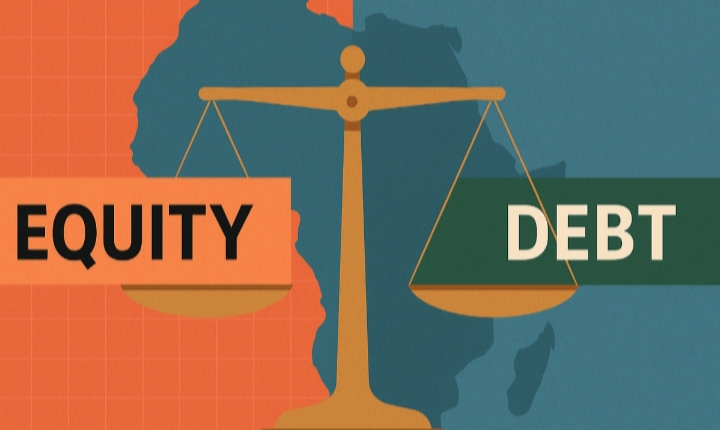
Founders tend to frame equity and debt as a simple either or decision: give up ownership or take on financial risk. In practice, both are just financing tools. The real challenge is knowing which one fits your company’s stage, structure, and goals. Many mistakes happen not from lack of intelligence, but from relying on oversimplified assumptions.
Here are the most common missteps.
1. Seeing Equity as “Free” Capital
At the early stage, equity can feel painless no repayments, no immediate pressure. But that perception is misleading.
Equity is usually the most expensive form of funding in the long run. You’re not just selling shares; you’re giving away part of your future profits and influence over key decisions.
What often gets overlooked:
- A small stake given up early can become very costly if the company grows significantly
- Investors may have a say in major decisions, from strategy to exits
Debt, by comparison, has a defined cost and a clear endpoint. Equity does not.
2. Misjudging When to Use Debt
There’s a widespread belief that debt is inherently risky while equity is safer. That’s only true in certain situations.
Debt becomes risky when:
- Revenue is inconsistent
- Cash flow is weak
- The business model is still uncertain
However, once a company has stable income, avoiding debt can actually be a missed opportunity. At that stage, debt can:
- Protect ownership stakes
- Be cheaper than equity
- Boost overall returns
On the other hand, taking on debt too early just to avoid dilution can strain a young business.
3. Misreading Risk Allocation
Equity and debt don’t remove risk they shift it.
- Equity transfers more downside risk to investors but reduces the founder’s share of success
- Debt allows founders to keep more upside but requires them to meet fixed obligations
The key issue is not which is safer, but which type of risk your business can handle at a given time.
4. Overlooking Control Implications
Funding isn’t just about money it’s also about influence.
Equity investors may:
- Join the board
- Shape strategic decisions
- Influence exit timing
Debt providers, in contrast, are usually focused on repayment, though they may set certain conditions.
Many founders underestimate how much control they give up through equity, especially after multiple funding rounds.
5. Using the Wrong Tool at the Wrong Stage
Each phase of a business calls for a different financing approach:
- Pre-revenue: Equity is often necessary due to lack of cash flow
- Early growth: Mostly equity, with limited debt options
- Scaling with steady revenue: Debt becomes more viable
- Mature stage: Debt can play a major role
Problems arise when founders apply the wrong strategy to their current stage.
6. Fixating on Valuation
It’s common to chase the highest possible valuation in equity rounds, assuming it minimizes dilution.
But higher valuations can:
- Create unrealistic growth expectations
- Complicate future fundraising
- Lead to damaging down rounds
In some cases, combining reasonable equity with strategic debt leads to better long-term results.
7. Thinking in Extremes
The best funding strategies are rarely all-equity or all-debt.
A blended approach can:
- Limit dilution
- Improve flexibility
- Lower overall capital costs
Examples include mixing equity with venture debt or using revenue-based financing alongside traditional funding.
8. Ignoring Long-Term Outcomes
Every financing decision affects the eventual outcome.
- Too much early dilution can significantly reduce a founder’s share at exit
- Avoiding equity altogether may limit growth potential
The structure you build today determines how value is shared in the future.
Final Thought
Equity and debt aren’t about right or wrong they’re about fit.
Strong founders don’t just ask which option is better. They consider what their business needs now and what each choice will cost over time.
The real mistake isn’t choosing one over the other it’s making that choice without fully understanding the consequences.