
-
Joyce
- April 26, 2026
- 0 Comments
- Uncategorized
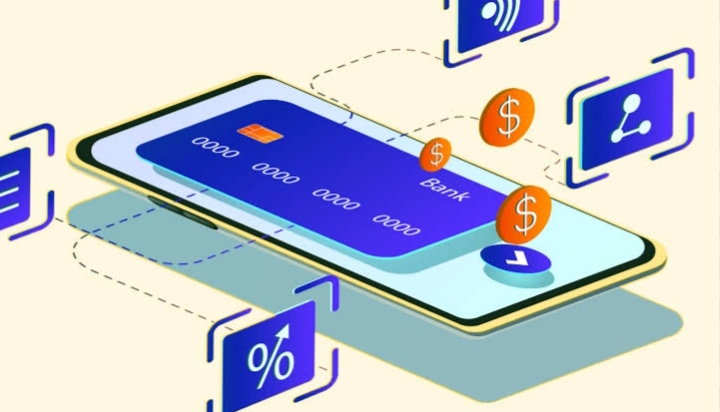
The financial landscape is rapidly evolving. Services that were once exclusive to banks are now being integrated into the digital platforms people use daily. This development known as embedded finance is enabling apps to offer services like payments, lending, and savings directly within their ecosystems.
From ride-hailing apps providing driver wallets to online stores offering instant credit at checkout, embedded finance is reshaping how people manage money by making financial services more accessible and convenient.
Understanding Embedded Finance
Embedded finance is the inclusion of financial services within non-financial platforms. Instead of switching between apps or visiting a bank, users can complete financial transactions seamlessly within the same platform they’re already using.
For instance, an e-commerce platform might allow customers to pay in installments, while a business platform could offer loans based on transaction data. The financial service becomes a natural part of the user experience.
Why It’s Growing Fast
The rise of embedded finance is driven by technology and changing consumer expectations. Modern APIs and financial infrastructure make integration easier, while users increasingly demand speed and simplicity.
For companies, this model creates new income opportunities and strengthens customer relationships. By handling more aspects of a transaction, businesses can increase engagement and retention.
Beyond Payments
Although payments are often the entry point, embedded finance includes a wide range of services:
- Credit and Lending: Quick access to loans or credit based on user activity
- Insurance: On-demand coverage tied to specific transactions
- Savings and Investments: Tools built directly into apps to help users manage wealth
- Digital Wallets and Payroll: Particularly useful for gig workers and freelancers
These features transform platforms into complete financial ecosystems.
Impact on Emerging Economies
In developing regions, embedded finance can significantly improve financial access. Many individuals lack traditional bank accounts but actively use mobile platforms.
By integrating financial tools into these apps, companies can reach underserved populations, support entrepreneurs, and promote economic participation.
Challenges to Address
Despite its advantages, embedded finance presents several challenges. Regulatory compliance remains critical, as financial activities are closely monitored. Companies must also ensure strong data protection and security.
Trust is another key factor. Users need clarity on who is delivering the financial service—whether it’s the app itself or a partner institution.
Operational demands, including fraud prevention and risk management, also require careful handling.
The Changing Role of Banks
Traditional banks are adapting to this shift by offering backend services through Banking as a Service models. This allows them to collaborate with fintech firms and digital platforms, extending their reach without directly engaging end users.
Looking Ahead
As embedded finance continues to expand, banking is becoming less visible and more integrated into everyday activities. Financial services will increasingly appear as features within apps rather than standalone destinations.
In this new reality, apps won’t replace banks entirely but they will function like them in delivering financial value at the point of need.
Final Thoughts
Embedded finance represents a major transformation in how financial services are delivered. By embedding these capabilities into familiar platforms, it enhances convenience, broadens access, and opens up new business opportunities.
The future of banking is not just digital it’s seamlessly woven into the apps people rely on every day.