
-
Joyce
- April 26, 2026
- 0 Comments
- Uncategorized
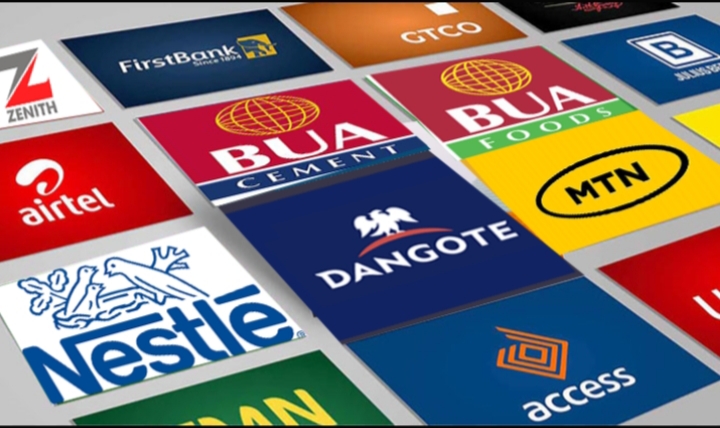
Nigeria has long been known for exporting its rich culture through music, movies, fashion, and literature. Today, a new story is unfolding. “Made in Nigeria” brands are expanding beyond local borders and making their presence felt on the global stage. Across industries like manufacturing, technology, beauty, and food, Nigerian businesses are evolving from serving domestic markets to competing internationally.
This movement goes beyond economic growth; it reflects a renewed belief in local creativity, quality, and innovation.
A Shift Toward Local Quality
In the past, imported goods were often viewed as superior in Nigeria. That perception is gradually fading. Local entrepreneurs are now prioritizing high production standards, strong branding, and improved quality control. As a result, Nigerian products are becoming more competitive globally.
Industries such as construction materials, automotive production, fashion, and processed foods are expanding rapidly, with many companies targeting export opportunities. Their strength lies not only in cost-effectiveness but also in their authenticity products that embody Nigerian heritage while meeting international expectations.
Growth in Manufacturing
Nigeria’s industrial sector is gaining momentum, driven by companies committed to local sourcing and large-scale production. These efforts are reducing dependence on imports, creating jobs, and strengthening the economy.
With trade frameworks like the African Continental Free Trade Area (AfCFTA), Nigerian manufacturers now have easier access to markets across Africa, enabling them to scale their operations and reach new customers.
Fashion as a Global Force
Nigeria’s fashion industry stands out as a powerful example of global influence. Designers are creatively merging traditional fabrics such as Ankara and Aso Oke with modern designs, capturing attention in major fashion capitals around the world.
Digital platforms have played a key role in this expansion. Through social media and online stores, designers can reach international audiences directly, making Nigerian fashion a vibrant global export.
Expanding Beauty and Lifestyle Markets
Nigerian beauty brands are also gaining international recognition, especially for products designed for melanin-rich skin and textured hair. These offerings appeal strongly to global consumers, particularly within the African diaspora.
By focusing on natural ingredients, sustainability, and inclusivity, these brands are building strong identities and carving out space in competitive global markets.
Technology Driving Global Reach
Nigeria’s tech sector continues to grow rapidly, with startups in fintech, e-commerce, and logistics attracting international investors and expanding beyond national borders.
Digital tools have also empowered small businesses, enabling them to sell products worldwide. With better infrastructure, even emerging entrepreneurs can access global markets.
Barriers to Overcome
Despite notable progress, challenges remain. Issues such as unreliable power supply, infrastructure limitations, regulatory complexities, and high production costs can slow growth.
There is also a need to change global perceptions, as many consumers still associate Nigeria primarily with cultural exports. Building trust through consistent quality and strong branding is essential.
Policy and Institutional Support
Government involvement is key to sustaining growth. Policies that encourage local manufacturing, simplify export processes, and improve infrastructure can enhance global competitiveness.
Promoting “Made in Nigeria” goods both locally and internationally can also help reshape consumer attitudes and strengthen confidence in domestic brands.
Redefining Nigeria’s Global Image
The international success of Nigerian brands is about more than business—it is about changing how the country is perceived. It highlights Nigeria as a center of innovation, creativity, and determination.
As these brands expand globally, they carry stories of culture, resilience, and ambition, presenting a new narrative to the world.
The Road Ahead
The outlook for “Made in Nigeria” brands is bright. With continued investment, stronger infrastructure, and strategic partnerships, Nigerian businesses are set to grow even further.
Nigeria is gradually transforming from a consumption-driven economy into a production powerhouse. As this evolution continues, it becomes clear that products made in Nigeria are ready for and capable of thriving in the global marketplace.