
-
Joyce
- April 7, 2026
- 0 Comments
- Uncategorized
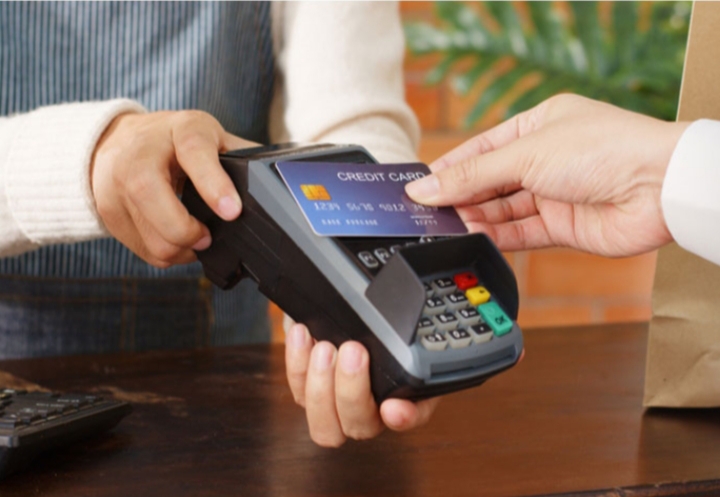
As the world becomes increasingly digital, the way people pay for goods and services is evolving rapidly. Contactless payments have emerged as one of the fastest, easiest, and most convenient methods of transaction, allowing users to complete purchases with a simple tap or wave of a card, smartphone, or wearable device. With technological advancements and changing consumer habits, contactless payments are poised to define the future of financial transactions.
What Are Contactless Payments?
Contactless payments are transactions that use short-range wireless technologies, such as Near Field Communication (NFC), to process payments without physical contact. Users can simply tap or hover their card or device over a compatible terminal, often eliminating the need for cash, PINs, or signatures.
How Contactless Payments Operate
These systems rely on encrypted communication between the payment device and the terminal. Popular mobile payment platforms such as Apple Pay, Google Pay, and Samsung Pay store card details securely and use tokenization to ensure sensitive information is protected during each transaction.
Advantages of Contactless Payments
Speed is one of the most significant benefits, allowing purchases to be completed in seconds, which reduces queues and improves the customer experience. Convenience is another major plus users can pay without carrying cash or even a physical wallet.
Security is also a strong feature. Encrypted communications and tokenization make it difficult for fraudsters to access payment information. Many platforms also incorporate biometric authentication, such as fingerprints or facial recognition, for additional protection.
In addition, contactless payments promote hygiene by reducing physical interaction, a factor that has become increasingly important in recent times.
Challenges and Considerations
Despite their benefits, contactless payments have challenges. Some users fear unauthorized transactions if a device or card is lost or stolen. Data privacy and potential digital fraud remain concerns as well.
Infrastructure can also limit adoption in certain regions, especially where contactless-enabled terminals are scarce. Additionally, some consumers still prefer traditional payment methods due to habit or lack of trust in digital systems.
Innovation Driving Growth
Technological progress continues to enhance contactless payment options. Wearable devices like smartwatches and fitness trackers now support payments, further increasing convenience. Integration with banking apps and digital wallets allows users to track and manage finances in real time.
The growth of Financial Technology is also fueling innovations, producing faster, safer, and more accessible payment systems.
Future Prospects
The future of contactless payments is bright. As adoption grows, businesses are upgrading their infrastructure and security, while governments and financial institutions promote cashless economies. With ongoing improvements in technology and increasing consumer confidence, contactless payments are expected to become the standard method for everyday transactions.
From retail stores to public transportation, the ability to pay securely and quickly with just a tap is transforming the way the world handles money.
Conclusion
Contactless payments are redefining how transactions are conducted. By combining speed, convenience, and enhanced security, they offer a modern solution to the limitations of traditional payment methods. While challenges remain, continued innovation and widespread adoption make it clear that contactless payments are more than a trend they are the future of how we pay.