
-
Joyce
- April 7, 2026
- 0 Comments
- Uncategorized
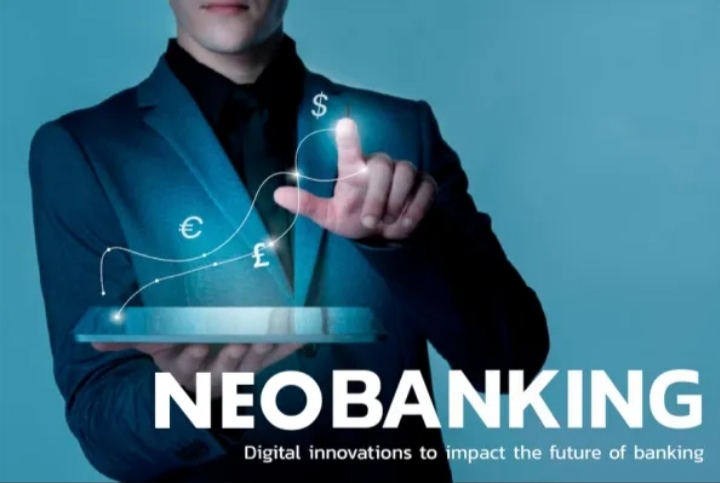
The banking sector is experiencing a major shift, driven by the emergence of neobanks digital only financial institutions that operate without physical branches. Designed for a mobile centric world, neobanks are transforming how people handle money by providing faster, simpler, and more convenient alternatives to traditional banking.
Understanding Neobanks
Neobanks are entirely online banks that provide financial services through mobile apps and websites. Without the cost of maintaining physical branches, they can offer lower fees and competitive interest rates to customers.
Some well-known neobanks include Chime, Revolut, and N26. Typical services include checking and savings accounts, debit cards, budgeting tools, and international money transfers all accessible via smartphones.
Why Neobanks Are Popular
Convenience is a major selling point. Opening an account can take minutes, with no paperwork or branch visits required. Their apps are user-friendly, often offering real-time notifications, spending insights, and financial management tools.
Lower fees are another attraction. Traditional banks often charge for account maintenance, overdrafts, or international transactions, while neobanks usually minimize or remove these costs.
Speed is also key. Transactions, transfers, and customer support are generally faster thanks to modern technology and automation.
Technology Driving Neobanks
Neobanks rely on advanced technologies like artificial intelligence, machine learning, and cloud computing to deliver personalized services. These tools help users track spending, set savings goals, and receive tailored advice.
Many apps automatically categorize expenses, giving a clear overview of finances, while some offer predictive insights to help avoid overdrafts or prepare for upcoming bills.
Expanding Access and Financial Inclusion
Neobanks are helping extend banking services to populations that traditional banks often overlook. All that’s needed is a smartphone and internet connection to open an account, transfer funds, and manage finances.
In countries such as Nigeria, digital banks like Kuda and Opay are providing accessible banking options for young people, small businesses, and underserved communities.
Challenges Ahead
Despite rapid growth, neobanks face obstacles. Regulatory compliance can be complex, as laws often cater to traditional banks.
Building trust is also crucial, since some customers still prefer established institutions for security reasons. Additionally, profitability can be challenging due to low fees and high customer acquisition costs.
The Future of Banking
Neobanks are more than a passing trend—they are reshaping financial services. As technology evolves, these banks are likely to expand into lending, investment platforms, and even cryptocurrency services.
Traditional banks are responding by modernizing their digital offerings or partnering with fintech companies. Over time, the distinction between conventional banks and neobanks may blur, but one thing is certain: the demand for fast, accessible, and customer-focused banking is only growing, and neobanks are at the forefront of this revolution.