
-
Joyce
- April 5, 2026
- 0 Comments
- Uncategorized
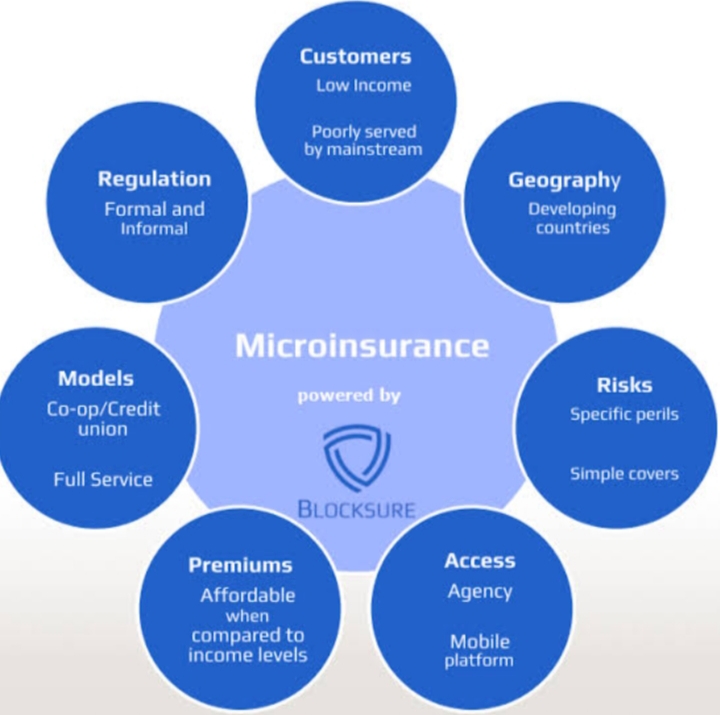
Microinsurance has become an important financial solution aimed at shielding low-income individuals and vulnerable groups from unforeseen risks. By providing affordable and easy to access insurance options, it enables people to cope with challenges such as illness, accidents, crop losses, or loss of income situations that could otherwise worsen poverty.
Essentially, microinsurance follows the same concept as conventional insurance but is tailored to suit those with limited or unstable earnings. Premiums are kept low, payment structures are flexible, and coverage is simplified to address essential needs. Common offerings include health, life, agricultural, and property insurance designed specifically for informal workers and rural households.
A major advantage of microinsurance is its contribution to financial inclusion. Many low-income earners lack access to formal financial services, leaving them exposed during emergencies. By leveraging mobile technology and digital platforms, providers can extend coverage to hard to reach populations. In countries like Nigeria, mobile-driven insurance services are increasingly closing this gap.
Microinsurance is particularly valuable for smallholder farmers. In areas where farming depends heavily on weather conditions, crop insurance provides protection against losses caused by drought, flooding, or pests. This support not only helps stabilise farmers’ incomes but also encourages greater investment in agriculture, strengthening economic resilience.
However, the sector still faces notable challenges. Limited awareness and understanding of insurance products remain key obstacles, as many people are unfamiliar with how they work or may distrust providers. In addition, high operational costs and difficulties in evaluating risks within informal markets can hinder expansion.
To overcome these barriers, collaboration among governments, NGOs, and private insurers is crucial. Strong regulatory frameworks and public education initiatives can help build trust and ensure that products are clear and beneficial. Innovations like index based insurance where payouts are triggered by measurable indicators such as rainfall are also making claims processes more efficient and cost-effective.
On a global scale, organisations such as the Microinsurance Network continue to promote inclusive insurance solutions by supporting research, policy development, and knowledge exchange.
Ultimately, microinsurance goes beyond financial protection; it serves as a tool for empowerment and social stability. By helping individuals recover from setbacks and reduce vulnerability, it contributes to stronger communities and sustainable development.
As awareness increases and technology evolves, microinsurance is poised to reach more people, offering a crucial safety net and improving financial security for millions worldwide.