
 Joyce
Joyce 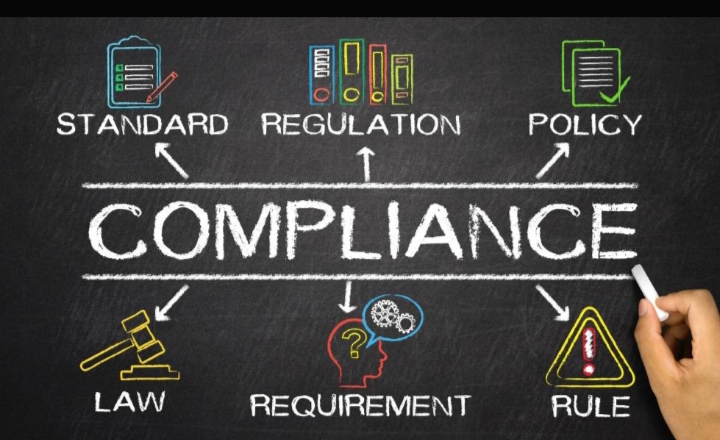
Financial technology, or fintech, has transformed the way people and businesses interact with financial services. Innovations such as mobile payments, online lending, and digital currencies have improved accessibility and efficiency. However, this rapid advancement has also led to increased regulatory attention. Compliance with financial regulations is therefore crucial not just to meet legal obligations, but also to maintain trust, safeguard users, and ensure system stability.
What Regulatory Compliance Means in Fintech
Regulatory compliance involves adhering to the rules, laws, and standards established by authorities to govern financial activities. These rules are intended to combat fraud, prevent money laundering, protect consumer data, and reduce financial risks.
Fintech companies often face greater complexity than traditional institutions because they operate digitally and frequently across multiple regions, each with its own regulatory framework.
Core Areas of Regulation
1. Anti-Money Laundering (AML) and Know Your Customer (KYC)
Fintech firms are required to confirm customer identities and track financial transactions to detect and prevent illegal activities. These measures promote transparency and accountability.
2. Data Privacy and Protection
Handling sensitive user data requires strict adherence to privacy laws. Companies must ensure data security, obtain proper consent, and manage information responsibly.
3. Licensing Requirements
Many fintech services require official approval to operate. Firms must meet regulatory standards related to capital, governance, and operations before receiving authorization.
4. Customer Protection
Regulations ensure that users are treated fairly through clear communication, transparent pricing, and accessible complaint resolution systems.
5. Cybersecurity Compliance
Fintech companies must implement strong security measures to protect against cyber threats. This includes regular risk assessments, encryption practices, and reporting of security incidents.
Compliance Challenges in Fintech
Diverse Regulatory Environments
Operating across borders exposes fintech firms to different legal requirements, complicating compliance efforts.
Fast-Paced Innovation
Technology evolves quickly, often faster than regulations, creating uncertainty in how new products should be governed.
Cost of Compliance
Meeting regulatory expectations can be expensive, especially for startups with limited budgets.
Emerging Threats
New forms of cybercrime and financial fraud require continuous updates to compliance strategies.
Regtech as a Solution
Regulatory technology, or regtech, helps fintech companies manage compliance more effectively. By using automation and advanced analytics, regtech tools can monitor transactions, identify suspicious activities, and streamline reporting processes.
This not only lowers costs but also enhances efficiency and accuracy in meeting regulatory requirements.
Trends in Global Regulation
Regulators are increasingly adopting flexible approaches to oversee fintech innovation. For example, regulatory sandboxes allow companies to test new solutions in a controlled setting while remaining under supervision.
Additionally, international cooperation among regulators is growing, with efforts to create more consistent standards, particularly in areas like digital finance and cryptocurrencies.
Looking Ahead
In the future, compliance will likely be integrated directly into fintech systems and product development processes. The concept of “compliance by design” will ensure that regulatory requirements are considered from the beginning.
Advanced technologies like artificial intelligence will also enable predictive compliance, allowing companies to identify and address risks proactively.
Final Thoughts
Regulatory compliance plays a vital role in the continued growth of fintech. Although it can be challenging, it helps build trust, protect consumers, and ensure long-term sustainability. By adopting innovative tools and proactive strategies, fintech companies can successfully navigate regulatory demands while continuing to drive innovation.