
-
Joyce
- March 27, 2026
- 0 Comments
- Uncategorized
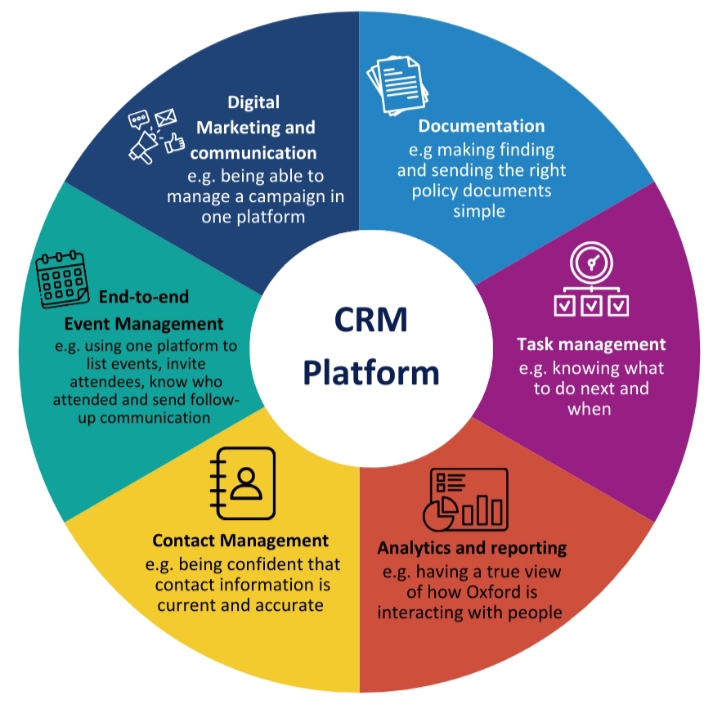
Customer Relationship Management (CRM) is a combination of strategies, tools, and processes that organizations use to handle and evaluate their interactions with both existing and potential customers. Its main goal is to develop strong, long-term relationships that enhance customer satisfaction, loyalty, and overall business success.
Understanding CRM
CRM goes beyond being just a software solution it represents a holistic approach to managing customer interactions across the entire customer journey. From initial contact to after sales support, CRM helps businesses maintain connections, improve workflows, and deliver better customer experiences.
A CRM system gathers customer information from various channels, including websites, social media, emails, phone calls, and live chats. This information is stored in a central database, making it easy for businesses to access insights about customer preferences, behavior, and purchase history.
Key Components of CRM
- Operational CRM
This aspect focuses on automating customer related activities such as sales, marketing, and service. It helps organizations manage leads, monitor communications, and respond to customer inquiries efficiently. - Analytical CRM
Analytical CRM is concerned with examining customer data to uncover patterns and trends. It enables businesses to make informed decisions and refine their marketing strategies. - Collaborative CRM
This type emphasizes teamwork and information sharing across departments. By ensuring all teams have access to the same customer data, businesses can provide a more unified and personalized customer experience.
Benefits of CRM
- Stronger Customer Relationships
CRM allows businesses to tailor their interactions, making customers feel recognized and appreciated. - Higher Sales and Revenue
By understanding customer needs and tracking opportunities, organizations can improve their chances of closing deals. - Improved Customer Retention
Quick responses and proactive service help keep customers satisfied and loyal. - Greater Efficiency
Automation reduces repetitive tasks, allowing staff to focus on more important responsibilities. - Informed Decision-Making
Real-time data and analysis support better strategic planning.
CRM in Practice
CRM systems are widely used in industries such as retail, banking, healthcare, and telecommunications. For instance, retailers may use CRM to offer personalized product suggestions, while financial institutions can manage client relationships and provide customized services.
Challenges of CRM Implementation
Although CRM offers many benefits, implementing it can be challenging:
- High Setup Costs
Initial investment and customization can be costly, especially for smaller organizations. - Resistance to Change
Employees may be reluctant to adopt new systems without proper training. - Data Quality Issues
Inaccurate or incomplete data can affect decision-making. - System Integration Problems
Combining CRM with existing tools and systems may be complicated.
Future of CRM
Advancements in technologies such as artificial intelligence, machine learning, and automation are shaping the future of CRM. These developments support features like predictive analytics, chatbots, and highly personalized customer interactions. Additionally, cloud based CRM platforms are gaining popularity due to their flexibility and scalability.
Conclusion
CRM plays a crucial role in modern business operations. By using CRM systems effectively, organizations can strengthen customer relationships, boost satisfaction, and achieve sustainable growth. As technology advances, CRM will become even more essential in helping businesses remain competitive in a customer-focused marketplace.