
 Joyce
Joyce 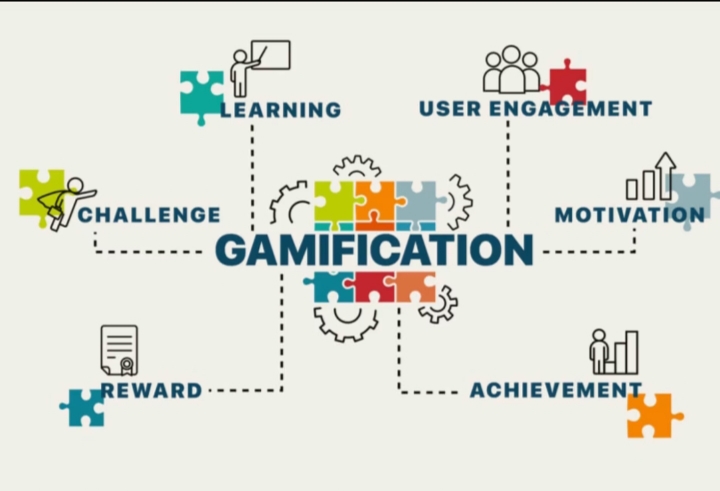
Gamification involves applying elements commonly found in games such as points, rewards, rankings, and challenges to business activities in order to increase engagement among customers, employees, and other stakeholders. It has become an effective strategy for boosting motivation, improving productivity, and building stronger brand connections.
In the area of marketing, businesses use gamification to capture customer interest and encourage loyalty. Reward based programs, interactive campaigns, and engaging challenges motivate customers to interact more frequently with a brand, making their experience more enjoyable and memorable.
Within the workplace, gamification helps improve employee performance by introducing systems of rewards, recognition, and healthy competition. It is also useful in training programs, where game based methods make learning more interactive and easier to understand.
Additionally, gamification can be used to educate customers. By presenting complex information in a fun and interactive way, businesses can help users better understand their products or services, leading to increased adoption.
However, for gamification to be effective, it must be properly designed. If poorly implemented, it may fail to engage users or cause them to focus only on rewards instead of meaningful goals. Businesses must ensure that game elements are aligned with clear objectives and user needs.
In summary, gamification is a valuable tool in modern business, helping to increase engagement, enhance performance, and strengthen relationships. When used effectively, it can significantly contribute to achieving organizational goals.