
-
Joyce
- February 19, 2026
- 0 Comments
- Uncategorized
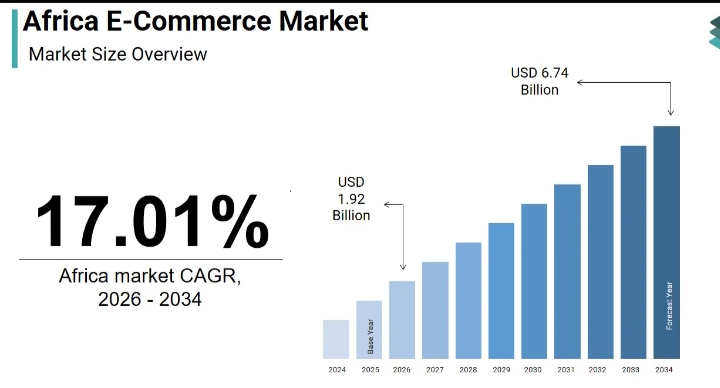
E-commerce in Africa has grown rapidly over the past decade, shifting from a small, emerging sector into a key driver of retail and digital transformation across the continent. This growth is powered by increasing internet access, widespread smartphone use, fintech innovation, and a young, tech-savvy population.
Market Growth and Expansion
Africa’s online retail market has expanded significantly and is projected to continue rising strongly in the coming years. As digital connectivity improves and more consumers gain access to online platforms, e-commerce is becoming a mainstream channel for buying goods and services rather than a niche alternative to traditional retail.
Mobile-First Digital Economy
Unlike many other regions, Africa’s e-commerce ecosystem is largely mobile-driven. Most consumers access online stores through smartphones, making mobile-friendly platforms essential for success. This mobile-first model has enabled millions—including those without access to traditional computers—to participate in digital commerce.
Fintech and Digital Payments
Financial innovation has played a crucial role in unlocking online trade. Services like M-Pesa, Paystack, and Flutterwave have simplified digital payments and increased financial inclusion. By offering secure and convenient transaction options, these platforms help overcome trust barriers that once slowed online shopping adoption.Key Market PlayersSeveral companies have shaped Africa’s e-commerce landscape. Platforms such as Jumia, Takealot, and Konga have built strong regional networks. At the same time, international competitors are entering the market, increasing competition and encouraging innovation in pricing, logistics, and customer experience.
Emerging Trends
Important trends include the rise of social commerce, growing urban middle-class demand, and expanding product categories such as electronics, fashion, and groceries. In addition, the implementation of the African Continental Free Trade Area (AfCFTA) is expected to promote cross-border online trade by reducing barriers between African countries.
Challenges and Opportunities
Despite strong progress, infrastructure gaps, logistics limitations, regulatory differences, and digital trust concerns remain challenges. However, ongoing investment in technology, payment systems, and supply chains continues to improve the ecosystem.
Overall, Africa’s e-commerce sector shows strong long-term potential. With continued digital adoption, fintech expansion, and regional integration, online commerce is set to become a major contributor to economic growth, job creation, and market innovation across the continent.