
-
Joyce
- April 9, 2026
- 0 Comments
- Uncategorized
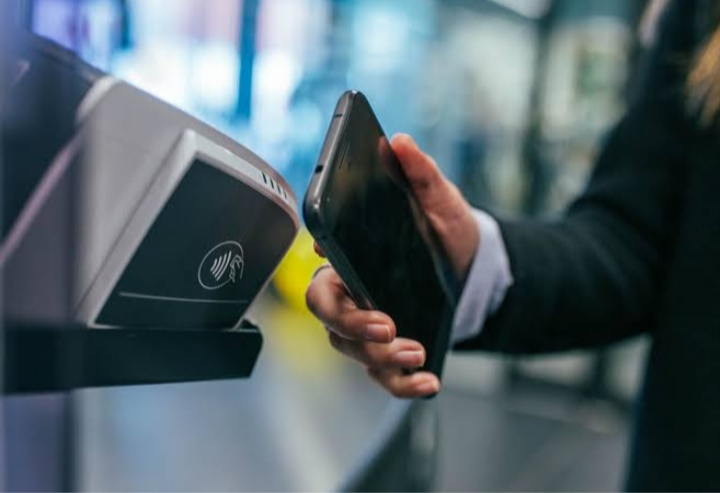
Mobile payment systems have significantly changed the way financial transactions are conducted across Africa. They have made it possible for millions of people to access financial services through their mobile phones, especially in areas where traditional banking is limited. Despite these advantages, the rapid growth of mobile payments has also introduced several risks that need careful attention.
Growth of Mobile Payment Systems
Mobile money services have become an essential part of daily life in many African countries. People use them to send money, pay bills, and manage businesses with ease. However, as these platforms expand quickly, they also become more vulnerable to different types of risks.
Cybersecurity Challenges
As mobile transactions increase, so does the risk of cyberattacks. Hackers and fraudsters often target mobile payment systems to exploit weaknesses.
Some common threats include:
- Phishing messages designed to trick users into revealing sensitive details
- Malicious software that captures financial information
- Unauthorized access to mobile wallets
Many users may not fully understand these risks, making them easier targets.
Fraudulent Activities and Scams
Fraud is a major concern in mobile payments. Criminals frequently use deceptive methods to gain access to users’ funds.
Examples of common scams include:
- Pretending to be customer support representatives
- Sending fake promotional offers
- Requesting money under false pretenses
These activities can lead to serious financial losses for individuals.
Regulatory Limitations
In some parts of Africa, laws and regulations have not kept up with the rapid development of mobile financial services. This creates gaps in oversight and consumer protection.
As a result:
- Recovering lost money can be difficult
- Service providers may not follow consistent standards
- Cross-border transactions may lack proper security
Improving regulations is essential to ensure safer transactions.
Infrastructure and Connectivity Issues
Mobile payments depend heavily on stable network connections. In regions with poor infrastructure, users may experience delays or failed transactions.
These problems can:
- Interrupt business activities
- Create confusion over payments
- Reduce trust in digital systems
Frequent power outages and weak internet coverage can make the situation worse.
Concerns About Data Privacy
Mobile payment platforms collect and store large amounts of personal and financial data. If not properly protected, this information can be exposed or misused.
Potential risks include:
- Data leaks or breaches
- Unauthorized sharing of user information
- Lack of clear data protection policies
Strong data security measures are necessary to maintain user confidence.
Limited Digital Skills
Not all users are familiar with how to safely use mobile payment systems. Limited digital knowledge can increase the likelihood of mistakes or falling victim to fraud.
Users with low digital literacy may:
- Be easily deceived by scammers
- Make transaction errors
- Have difficulty resolving issues
Raising awareness and providing education can help reduce these risks.
Risks Involving Mobile Money Agents
Agents play a crucial role in enabling mobile transactions, particularly in rural areas. However, they can also introduce risks.
These include:
- Dishonest or unverified agents
- Insufficient cash availability
- Poor training or lack of supervision
Proper monitoring and regulation of agents are important to ensure reliability.
Managing Risks While Encouraging Growth
Even with these challenges, mobile payments remain a key driver of financial inclusion in Africa. The goal is not to limit their growth but to make them safer and more reliable.
Key steps include:
- Strengthening cybersecurity systems
- Updating and enforcing regulations
- Educating users about safe practices
- Improving infrastructure and connectivity
Conclusion
Mobile payments have brought major benefits to Africa by expanding access to financial services. However, they also come with risks that must be addressed to protect users and maintain trust.
By taking proactive measures, governments, businesses, and individuals can work together to build a secure and inclusive mobile payment ecosystem that continues to support economic development.