
-
Joyce
- April 7, 2026
- 0 Comments
- Uncategorized
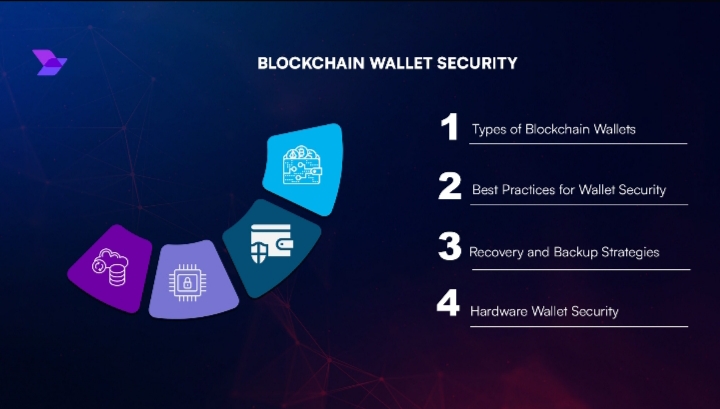
Blockchain technology has revolutionized many industries by providing decentralized, transparent, and tamper-resistant systems. While its foundation is inherently secure, risks can still emerge due to poor implementation, user mistakes, or external attacks. For developers, organizations, and everyday users, understanding how to secure blockchain systems and digital assets is critical.
Understanding Blockchain Security
Blockchain security is built on principles like Cryptography and Decentralization, which ensure that data remains protected and not controlled by a single authority. However, threats such as hacking, phishing, and vulnerabilities in smart contracts can still pose serious risks.
1. Protect Private Keys
Private keys control access to blockchain assets, so keeping them secure is essential.
- Store them offline using hardware wallets
- Never share them with others
- Use strong encryption and backup solutions
Losing control of private keys can result in permanent asset loss.
2. Choose Trusted Wallets and Platforms
Security standards vary across wallets and exchanges.
- Use well-established and reputable services
- Enable two-factor authentication (2FA)
- Keep software updated regularly
Avoid unreliable platforms to minimize exposure to threats.
3. Audit Smart Contracts
Smart contracts automate processes but may contain bugs if not properly tested.
- Perform detailed code reviews
- Use independent security audits
- Test thoroughly before deployment
Careful auditing helps prevent costly exploits.
4. Enforce Access Controls
Restricting system access reduces the risk of misuse.
- Apply role-based access control (RBAC)
- Limit administrative permissions
- Track and monitor user actions
Strong access control helps prevent both internal and external breaches.
5. Keep Systems Updated
Regular updates are essential for maintaining security.
- Fix vulnerabilities quickly
- Update all software components
- Stay informed about new threats
Outdated systems are more vulnerable to attacks.
6. Avoid Phishing Scams
Phishing remains a major threat in the blockchain space.
- Double-check links and email sources
- Avoid suspicious websites
- Educate users on scam tactics
Awareness is key to preventing these attacks.
7. Strengthen Network Security
Even decentralized systems depend on secure networks.
- Use firewalls and detection systems
- Encrypt data transmissions
- Monitor for unusual activity
A secure network environment reduces risk significantly.
8. Plan for Backup and Recovery
Unexpected failures can occur, so preparation is important.
- Keep secure backups of important data
- Store recovery phrases safely
- Test recovery processes regularly
Having a plan ensures quick recovery from disruptions.
9. Maintain Consensus Integrity
Blockchain networks depend on mechanisms like Proof of Work and Proof of Stake to validate transactions.
- Encourage honest participation
- Guard against attacks like 51% control
- Monitor validator performance
Maintaining trust in the network is essential.
10. Stay Compliant with Regulations
As blockchain adoption grows, regulatory frameworks continue to evolve.
- Keep up with relevant laws and policies
- Implement necessary compliance measures
- Ensure user data protection
Compliance not only avoids legal issues but also builds trust.
Conclusion
Blockchain offers a strong framework for secure digital interactions, but it is not completely risk-free. By applying best practices such as securing private keys, auditing smart contracts, and staying alert to threats, individuals and organizations can greatly improve their security.
In an ever-changing digital world, taking proactive steps toward blockchain security is essential for protecting both assets and systems.