
-
Joyce
- April 2, 2026
- 0 Comments
- Uncategorized
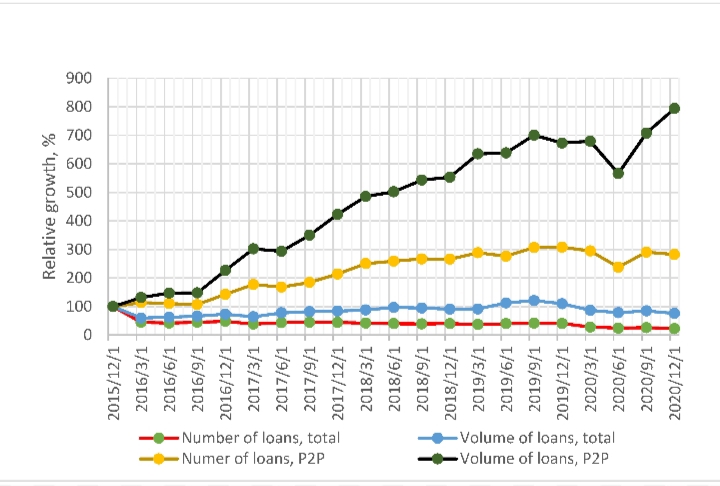
Peer-to-peer (P2P) lending is increasingly gaining attention as a modern approach to borrowing and investing, transforming the traditional financial system. By using online platforms to connect borrowers directly with individual lenders, this model removes the need for conventional intermediaries like banks, creating a more streamlined and inclusive system.
In this model, borrowers submit loan requests through digital platforms, where they are assessed and presented to potential investors. Lenders can then decide which loans to support, often spreading their funds across multiple borrowers to minimize risk. This direct interaction between lenders and borrowers is what distinguishes P2P lending from traditional financing methods.
A major reason for the rise of P2P lending is its accessibility. Many individuals and small businesses struggle to meet the strict requirements set by traditional financial institutions. P2P platforms often provide more flexible options, making it easier for people with limited credit histories to obtain funding. This has proven especially beneficial in regions where access to banking services is limited.
Speed and convenience also contribute to its popularity. The entire process, from application to approval, is handled online, allowing borrowers to receive funds much faster than through traditional banks. What might take weeks elsewhere can often be completed in just a few days.
For investors, P2P lending presents an opportunity to earn higher returns compared to traditional savings options. Since there are no intermediaries, both lenders and borrowers can benefit from more favorable interest rates. However, these potential rewards come with risks, particularly the possibility of borrower default.
There are also challenges associated with this growing trend. Credit risk remains a significant concern, as not all borrowers may be able to repay their loans. Additionally, regulatory systems governing P2P lending are still developing in many parts of the world, which can create uncertainty. Security is another important issue, as online platforms must protect against cyber threats and fraud.
Despite these concerns, the future of P2P lending looks promising. Technological advancements, including data analytics and artificial intelligence, are improving how platforms assess risk and match borrowers with lenders. As regulations become clearer and more robust, confidence in the system is likely to grow.
Overall, peer-to-peer lending is redefining how people access and invest money. Its emphasis on direct connections, efficiency, and inclusivity makes it a powerful and evolving force in the financial sector.