
 Joyce
Joyce 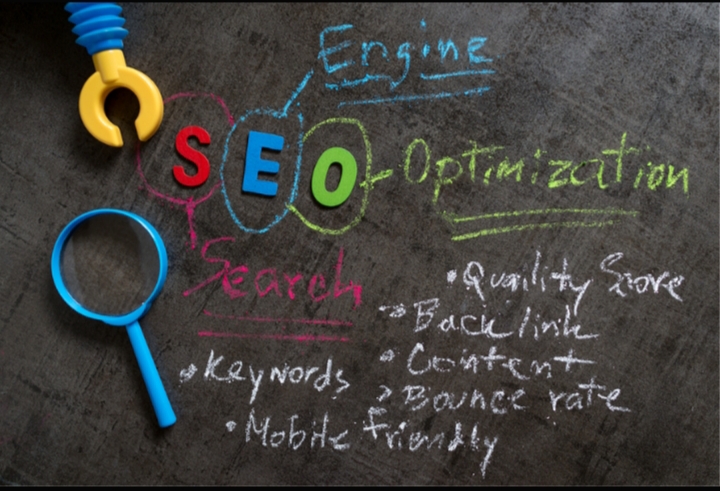
Search Engine Optimization (SEO) is the process of enhancing your website so it appears higher in search engine results, bringing in more organic traffic and increasing the chances of conversions. In today’s digital world, having a well-optimized website is crucial for standing out among competitors and reaching your target audience.
How SEO Functions
Search engines use advanced algorithms to decide which web pages rank highest for specific queries. These systems evaluate multiple factors, but the most important ones include:
- Relevance: How well your content answers a user’s query
- Authority: The credibility and trustworthiness of your website
- User Experience: How easy and engaging your site is to navigate
Successful SEO means aligning your website with these core principles.
Keyword Research: The Starting Point
Keyword research is the backbone of any SEO strategy. Keywords represent the words and phrases users enter into search engines.
To do this effectively:
- Target keywords with strong search demand but low competition
- Focus on long-tail keywords for more specific searches
- Understand the intent behind searches (informational, navigational, or transactional)
Using keyword research tools can help you identify the best opportunities for your content.
On-Page SEO: Improving Website Content
On-page SEO involves optimizing elements within your website.
Important aspects include:
- Title Tags: Use clear titles with relevant keywords
- Meta Descriptions: Write concise and appealing summaries
- Headings: Organize content using H1, H2, and H3 tags
- URLs: Keep them simple, readable, and keyword-focused
- Internal Links: Connect related pages within your site
- Images: Optimize with alt text and proper sizing
Quality content is essential—your material should be helpful, engaging, and relevant to your audience.
Technical SEO: Strengthening Performance
Technical SEO ensures that search engines can easily access and understand your website.
Key factors include:
- Fast loading speed
- Mobile responsiveness
- Secure browsing (HTTPS)
- Structured site architecture (XML sitemap)
- Fixing errors like broken links
Improving these elements enhances both rankings and user satisfaction.
Off-Page SEO: Building Credibility
Off-page SEO focuses on increasing your website’s reputation beyond your own platform.
The most significant factor is:
- Backlinks: Links from other reputable sites pointing to yours
You can gain backlinks through:
- Guest posting
- Creating valuable, shareable content
- Collaborating with influencers
- Listing your site in trusted directories
Avoid low-quality or spammy links, as they can negatively affect your rankings.
Content Strategy: Staying Consistent
Regularly publishing useful content keeps your website active and relevant.
Effective approaches include:
- Writing blog posts on topics your audience cares about
- Updating older content to maintain accuracy
- Using visuals like videos and infographics
- Answering frequently asked questions
Consistency and value are key to long-term SEO success.
User Experience and SEO
User experience plays a major role in modern SEO. Search engines consider how visitors interact with your site.
To improve this:
- Use a clean and simple layout
- Make navigation easy
- Avoid excessive ads
- Format content for readability
A positive user experience leads to better engagement and improved rankings.
Measuring SEO Performance
To understand how well your SEO efforts are working, track important metrics such as:
- Organic traffic
- Keyword rankings
- Click-through rates
- Bounce rates
- Conversions
Monitoring these indicators helps you refine your strategy over time.
Conclusion
SEO is a long-term strategy that requires dedication and continuous improvement. By focusing on strong keyword research, high-quality content, technical optimization, and building authority, you can significantly enhance your website’s performance.
As search engines evolve, staying updated with best practices will ensure your website remains competitive and continues to attract valuable traffic.