
 Joyce
Joyce 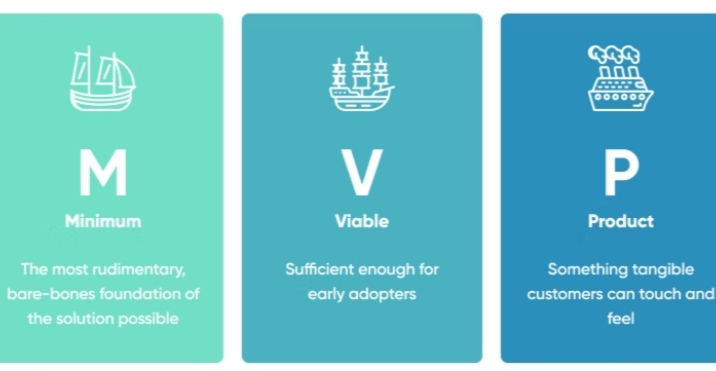
A Minimum Viable Product (MVP) is a simple version of a product developed with only the essential features needed to solve a core problem. For startups, it is a practical way to test ideas quickly, reduce risks, and learn from real users before investing heavily in full product development.
The main purpose of an MVP is to validate a business idea. Instead of assuming what customers want, startups release a basic version of their product to gather feedback and understand user needs. This approach helps save time and money while improving the chances of building a successful product.
To create an MVP, startups should first identify a clear problem and define their target audience. They should then focus on the most important features required to address that problem. After developing a simple prototype, the product is introduced to a small group of users for testing. Feedback from these users is used to improve and refine the product over time.
MVPs can take different forms, such as a landing page to test interest, a manually delivered service, or a basic functional prototype. Regardless of the format, the goal remains the same: to learn and improve.
However, building an MVP comes with challenges, including deciding which features to include and ensuring the product still provides value despite its simplicity. Startups must find the right balance between being minimal and being useful.
In conclusion, an MVP is an effective tool for startups to validate ideas, reduce uncertainty, and develop products that better meet customer needs. By focusing on learning and continuous improvement, entrepreneurs can gradually build successful and scalable businesses.