
 Joyce
Joyce 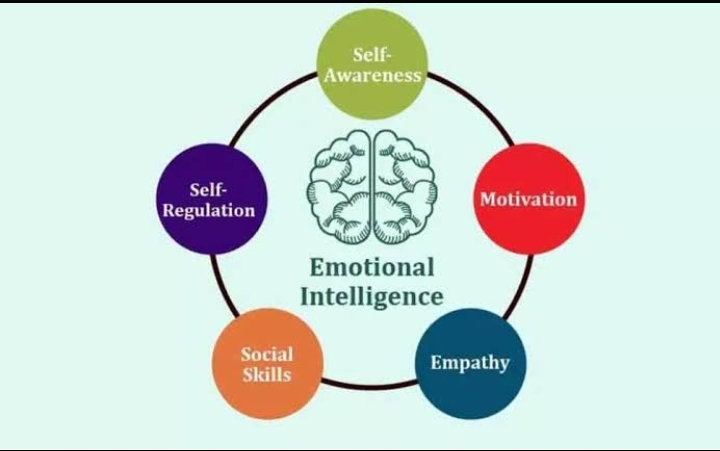
Leadership requires more than professional expertise or technical ability. One of the key qualities that sets effective leaders apart is emotional intelligence. Emotional intelligence refers to the capacity to recognize, understand, and manage one’s own emotions while also being aware of and responding appropriately to the emotions of others. In leadership roles, this ability is essential for building trust, guiding teams, and fostering a productive work environment.
Understanding Emotional Intelligence
Emotional intelligence involves being aware of emotions and knowing how they influence thoughts, behavior, and interactions with others. Leaders who possess strong emotional intelligence understand how their feelings affect their decisions and actions. They are also able to interpret the emotions of people around them and respond in a thoughtful and constructive way.
Emotional intelligence is often associated with several important qualities:
1.Self-awareness: Understanding one’s own emotions and how they affect behavior.
2.Self-control: The ability to manage emotions and stay composed in difficult situations.
3.Empathy: Being able to understand and appreciate the feelings of others.
4.Interpersonal skills: Communicating effectively and maintaining positive relationships.
5.Motivation: Remaining committed, focused, and driven to achieve goals.
These qualities help leaders approach situations calmly and thoughtfully rather than reacting impulsively.
Strengthening Workplace Relationships
Leadership involves constant interaction with individuals who have different perspectives, personalities, and experiences. Emotional intelligence helps leaders build strong and trusting relationships with their team members.
Leaders who demonstrate empathy are more capable of understanding the concerns, needs, and motivations of their employees. This awareness encourages open dialogue and promotes cooperation within the team. When employees feel respected and understood, they are more likely to stay engaged and committed to their responsibilities.
Enhancing Communication
Effective communication is a critical leadership skill. Emotional intelligence allows leaders to communicate in a way that is considerate and responsive to others.
By recognizing emotional signals, leaders can adjust their communication style depending on the situation or individual involved. For instance, when a team member is under stress, an emotionally intelligent leader may offer support and guidance instead of criticism. This approach encourages a respectful and supportive work atmosphere.
Handling Conflict Productively
Disagreements are common in any organization, especially when individuals have different opinions or work approaches.
Leaders with strong emotional intelligence are better prepared to address conflicts in a constructive manner. Instead of reacting emotionally or escalating tensions, they focus on understanding the root causes of the disagreement. By staying calm and impartial, they can guide discussions toward fair solutions while preserving team harmony.
Encouraging Team Motivation
Emotionally intelligent leaders recognize that employees are motivated by different factors, such as recognition, career growth, or personal achievement.
By understanding these motivations, leaders can offer encouragement and support that aligns with the needs of each individual. This personalized approach can increase enthusiasm and inspire employees to contribute more effectively to team goals.
Improving Decision-Making
Emotional intelligence also contributes to more balanced and thoughtful decision-making. Leaders who are aware of their emotions are less likely to allow stress, frustration, or personal bias to influence their judgment.
At the same time, they are able to consider the emotional impact their decisions may have on others. This broader perspective helps them make responsible choices that benefit both the organization and its employees.
Promoting a Healthy Organizational Culture
The attitudes and behaviors of leaders often shape the culture of an organization. Leaders who practice emotional intelligence encourage an environment based on respect, cooperation, and understanding.
When leaders demonstrate patience, empathy, and fairness, these values often spread throughout the team. This can lead to stronger collaboration, improved morale, and increased productivit
Emotional intelligence is a crucial skill for successful leadership. Leaders who develop self-awareness, empathy, and emotional control are better able to manage relationships, communicate effectively, and respond to challenges in a constructive way.
In modern workplaces, where collaboration and adaptability are essential, emotionally intelligent leaders are well positioned to inspire their teams, build positive organizational cultures, and achieve sustainable success.