
 Joyce
Joyce 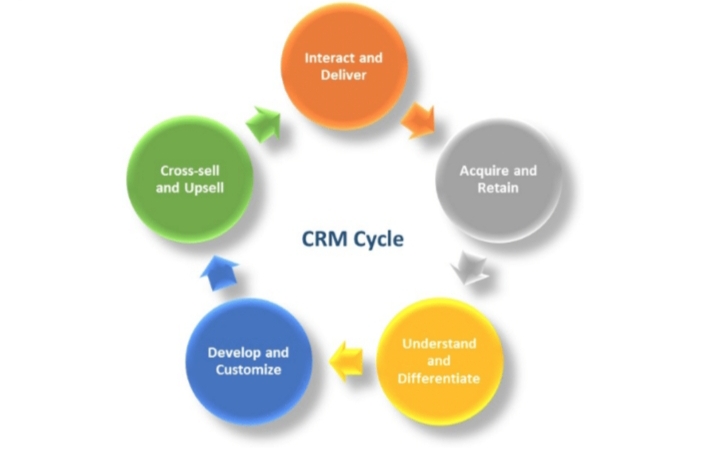
Customer Relationship Management (CRM) systems are critical tools for businesses aiming to grow and increase revenue. While CRMs are often thought of as simple databases for managing customer information, they provide far more value. A well-integrated CRM system helps businesses optimize sales processes, improve customer loyalty, streamline operations, and ultimately boost revenue growth.
What is a CRM System?
A CRM system is software designed to manage interactions and relationships with current and potential customers. It centralizes important customer data such as contact details, purchase history, and communication records enabling businesses to understand their customers better and respond more effectively.
Modern CRMs go beyond just storing data. They include features such as:
- Sales automation
- Customer service management
- Marketing integration
- Analytics and reporting
These functions help streamline business processes, enhance customer experiences, and ultimately fuel revenue growth.
- Optimizing Sales Pipeline Management
Streamlining the Sales Process
CRMs provide a comprehensive view of your sales pipeline, allowing sales teams to monitor leads and track deals efficiently. By keeping tabs on where each prospect is in the funnel, businesses can prioritize high-value opportunities and make informed decisions to maximize revenue.
Benefits Include:
1.Better lead tracking: Sales teams can identify high priority leads and ensure none are overlooked.
2.Automated follow-ups: CRMs enable automatic reminders for follow-ups, ensuring timely engagement with prospects.
3.Accurate forecasts: With detailed data, businesses can predict future revenue more reliably, aiding in growth planning.
- Enhancing Customer Retention
Fostering Long Term Relationships
Revenue growth is not just about acquiring new customers; it’s also about retaining existing ones. CRMs help businesses understand customer behaviors and preferences, enabling personalized communication and creating opportunities for stronger relationships.
Benefits Include:
- Personalization: CRMs track customer interactions, allowing businesses to offer personalized recommendations and special offers.
- Loyalty programs: Automating rewards or discounts for loyal customers can encourage repeat business.
- Proactive support: Detailed customer profiles allow businesses to anticipate issues and address them before they become problems.
- Leveraging Data for Informed Decisions
Unlocking Valuable Insights
CRMs collect a wealth of data on customer interactions, which can be used to gain insights into trends, preferences, and behavior patterns. By analyzing this data, businesses can identify opportunities to cross sell, up sell, and optimize their marketing strategies, leading to more efficient revenue generation.
Benefits Include:
1.Targeted sales strategies: Sales teams can use CRM data to tailor their pitches to specific customer needs.
2.Effective marketing: Marketing campaigns can be better targeted by segmenting audiences based on their interests and previous interactions.
3.Actionable analytics: CRM systems provide real time data and performance metrics to guide business decisions.
- Boosting Efficiency with Automation
Improving Operational Efficiency
Automation is one of the most powerful features of CRM systems. By automating routine tasks, businesses can save time and resources, allowing teams to focus on high-value activities like closing deals or nurturing customer relationships. This efficiency translates into faster response times and ultimately increased revenue.
Benefits Include:
1.Automated marketing campaigns: CRMs can schedule and send personalized emails, promotional offers, and social media content to customers.
2.Sales automation: CRMs automate tasks like lead assignment, follow-ups, and communication tracking, making sales processes more efficient.
3.Customer service automation: Common customer inquiries can be handled by chatbots or automated workflows, freeing up staff for more complex issues.
- Enabling Cross-Team Collaboration
Unifying Customer Data Across Teams
CRMs allow various teams sales, marketing, customer support to access a unified view of the customer. This centralized data helps ensure consistent messaging and creates a seamless customer experience, which ultimately drives revenue.
Benefits Include:
1.Comprehensive customer profiles: All teams can access the same information, ensuring uniform communication.
2.Collaborative workflows: Tasks, follow-ups, and meetings can be coordinated across teams to ensure efficiency.
3.Faster response times: With easy access to customer data, teams can respond to inquiries more quickly, improving customer satisfaction.
- Scalability and Flexibility
Adapting as the Business Grows
As businesses scale, managing customer interactions and data becomes increasingly complex. CRM systems are designed to grow with your business, providing the flexibility to handle increased data volumes and adapt to evolving business needs.
Benefits Include:
1.Customizable features: CRMs can be tailored to fit the unique requirements of different industries or business models.
2.Flexible workflows: CRM systems can adapt to changes in product offerings or customer preferences, allowing businesses to stay agile.
3.Seamless integrations: CRMs can be integrated with other business tools like marketing platforms, accounting software, and inventory management systems, streamlining operations.
CRM Systems as Revenue Catalysts
A CRM system is far more than just a tool for storing customer data it is a strategic asset for driving revenue growth. By optimizing sales pipelines, enhancing customer retention, enabling data driven decisions, improving efficiency through automation, and facilitating cross team collaboration, CRMs help businesses scale their revenue.
For companies aiming for long-term growth, investing in the right CRM system isn’t just advisable it’s essential. With a CRM system in place, businesses can improve operational efficiency, create better customer experiences, and unlock new opportunities for revenue growth.