
 Joyce
Joyce 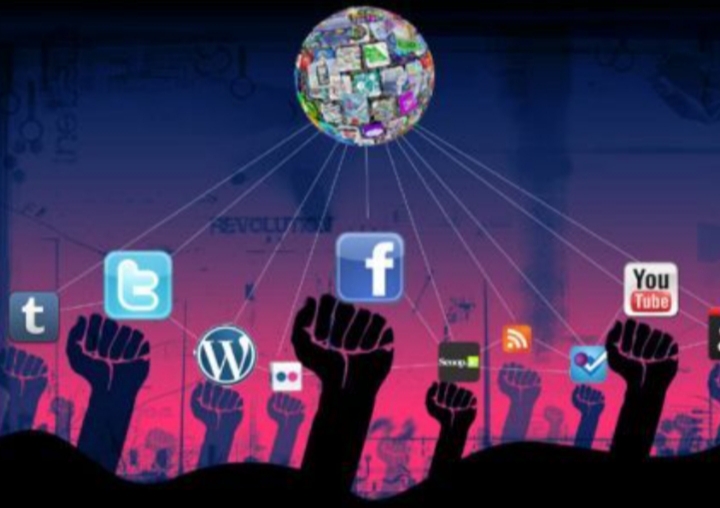
In today’s digital era, social media has dramatically reshaped how people connect, organize, and advocate for change. Platforms like Facebook, Twitter (now called X), Instagram, and TikTok have grown far beyond simple networking sites. They now serve as influential spaces where public opinion is shaped and social movements gain momentum. From spreading awareness to coordinating large-scale demonstrations, social media has redefined the dynamics of collective action.
Elevating Voices and Spreading Awareness
A major contribution of social media to modern activism is its power to highlight voices that were previously overlooked. In earlier times, traditional media outlets controlled which stories reached the public. Today, anyone with internet access can share experiences and perspectives with a global audience. A single viral post or hashtag can bring attention to an issue almost instantly.
Movements such as Black Lives Matter and #MeToo expanded worldwide largely through online engagement. Hashtags became symbols of solidarity, enabling individuals to link personal stories to broader social concerns. By making activism more accessible, social media has encouraged widespread participation in important social debates.
Organizing and Mobilizing Support
In addition to raising awareness, social media is an effective organizing tool. Activists use it to plan events, share updates, and rally supporters quickly. During political crises or social unrest, instant communication allows movements to adjust strategies and maintain coordination.
The Arab Spring illustrates this impact clearly. Protesters relied heavily on digital platforms to exchange information, document events, and gain international backing. The rapid flow of information enabled movements to expand swiftly and maintain visibility on the global stage.
Encouraging Global Solidarity
Social media also connects individuals across borders, fostering international solidarity. A movement that begins in one country can inspire action worldwide as people recognize shared challenges. Online platforms create communities of support that extend beyond geographical boundaries.
This global connectivity can increase pressure on governments, businesses, and institutions to respond. When issues gain widespread online attention, decision-makers often face heightened public scrutiny and calls for accountability.
Limitations and Concerns
Despite its advantages, social media presents certain challenges for social movements. False information can spread rapidly, potentially damaging credibility. Additionally, critics argue that online activism sometimes encourages superficial participation often labeled “slacktivism” without translating into meaningful real-world change.
Authorities may monitor or restrict online platforms, limiting activists’ ability to communicate freely. Social media companies themselves face criticism regarding content moderation, as inconsistent policies can either silence important voices or allow harmful material to circulate.
Moreover, platform algorithms tend to promote emotionally charged content, which can intensify divisions within society. While this may energize supporters, it can also deepen polarization.
Redefining Modern Activism
The relationship between social media and social movements reflects a broader transformation in communication and power. Digital platforms have lowered the barriers to activism, allowing grassroots initiatives to grow without relying on traditional institutions. Activism has become more immediate, interactive, and visible.
However, long term change typically requires more than online engagement. Successful movements often blend digital outreach with offline efforts such as community organizing, policy advocacy, and sustained activism. Social media can spark awareness, but lasting progress depends on continued commitment beyond the screen.
However, social media has significantly altered the landscape of social movements. By amplifying diverse voices, accelerating mobilization, and linking communities worldwide, it has become a central force in contemporary activism. At the same time, its challenges highlight the need for responsible use and critical thinking.
As technology continues to advance, social media’s role in shaping social change will likely evolve. What is certain is that these digital platforms have become powerful arenas where ideas are shared, injustices are challenged, and movements for transformation take shape.