
 Joyce
Joyce 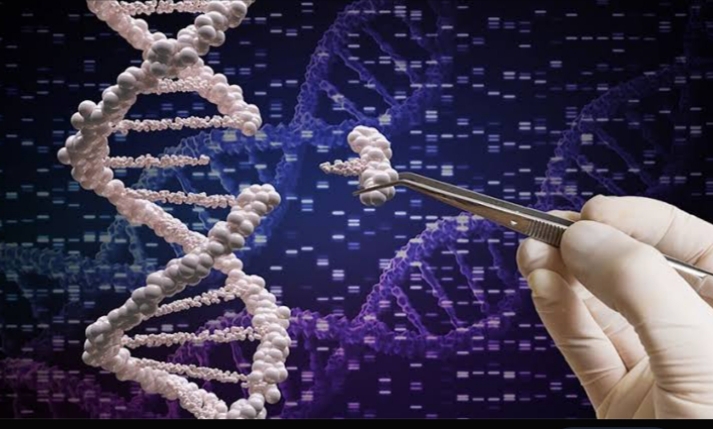
Gene editing has emerged as a revolutionary field in science, offering the potential to transform medicine, agriculture, and biotechnology. Techniques like CRISPR-Cas9, TALENs, and ZFNs (zinc-finger nucleases) allow scientists to make precise changes to the DNA of living organisms, offering exciting possibilities for curing genetic diseases, improving crops, and even eliminating inherited disorders. However, the ability to alter DNA raises significant ethical concerns about how far we should go in modifying the genetic structure of humans, animals, and plants.
The Promise of Gene Editing
Gene editing holds immense promise, especially in medicine. It could potentially provide cures or treatments for genetic conditions that have long been considered incurable, such as cystic fibrosis, sickle cell anemia, and Huntington’s disease. Tools like CRISPR have already shown success in laboratory settings, and clinical trials for human therapies are in the early stages.
In agriculture, gene editing could lead to more resilient crops, capable of withstanding pests, diseases, and environmental challenges like drought. This could help secure the global food supply as the population grows and climate change impacts crop yields. Additionally, gene-edited livestock could be healthier, more productive, and have less environmental impact, creating new opportunities for sustainable farming.
Despite the potential benefits, gene editing raises ethical questions about the impact it may have on human identity, the environment, and society at large.
Ethical Concerns
- Safety and Unintended Consequences
A primary ethical concern is the safety of gene editing. While the technology is advancing rapidly, its long-term effects remain largely unknown. Even small changes to the genome could lead to unintended consequences, with genetic mutations that may emerge only after several generations.
For instance, editing human embryos to prevent genetic diseases could lead to “off-target” effects where unintended areas of the DNA are altered, potentially causing harm or creating new health problems. Editing the human germline, or the DNA passed down to future generations, could inadvertently introduce harmful genetic changes that affect not just one individual but their descendants.
- Equity and Access
As gene editing technologies develop, questions about accessibility and equity are becoming more pressing. In medicine, gene therapies are expensive, and there is a risk that only the wealthy will have access to life saving treatments. This could create a divide where the rich benefit from cutting-edge therapies, while the poor remain unable to access these advancements.
In agriculture, the power of gene editing may fall into the hands of large corporations that control patents on gene-edited crops, potentially marginalizing small-scale farmers. This could lead to a concentration of control in the hands of a few, undermining food security and biodiversity.
- Human Enhancement and “Designer Babies”
One of the most controversial ethical issues surrounding gene editing is its potential use for non-therapeutic purposes, such as enhancing human traits. The possibility of creating “designer babies” where parents can choose characteristics like intelligence, physical appearance, or athletic ability raises significant moral questions.
While using gene editing to eliminate genetic diseases is broadly accepted, using it to enhance human beings for non-medical reasons challenges our concepts of human identity and diversity. If parents can select specific traits, society might push toward a narrow standard of genetic perfection, which could lead to new forms of discrimination and inequality.
Furthermore, there is concern about the psychological impact on children born from genetic editing. These children may feel pressure to meet the high expectations set by their genetic makeup, creating new forms of societal pressure.
- Environmental Impact and Biodiversity
Gene editing in agriculture also brings environmental concerns. Introducing gene-edited plants or animals into the environment could have unpredictable ecological effects. For example, a genetically modified crop could crossbreed with wild relatives, affecting local ecosystems and biodiversity.
Another risk is the creation of genetic monocultures, where large swaths of crops or livestock are genetically identical. This could make entire agricultural systems more vulnerable to disease, pests, or changing environmental conditions, undermining the stability of food production in the long term.
A Global Perspective
Gene editing is a global issue that calls for international cooperation and regulation. Different countries have varying laws when it comes to gene editing, especially regarding human embryos. In some places, germline editing is banned, while in others, it is permitted under certain circumstances. As gene editing technology advances, there is a need for universal ethical standards and regulations to ensure responsible use of the technology.
The control of gene editing technologies also raises important ethical concerns. If powerful companies and governments control these technologies, there is a risk of exploitation and misuse, particularly in developing nations. Ensuring that gene editing is used for the benefit of all, rather than for profit or military purposes, is an important ethical consideration.
Ethical Guidelines for the Future of Gene Editing
As gene editing continues to progress, it is vital to develop clear ethical guidelines for its use. Organizations like the World Health Organization (WHO) and UNESCO are working to address the ethical challenges surrounding gene editing, advocating for transparency, responsible research, and public engagement in decision-making.
Many ethicists call for a precautionary approach one that carefully weighs the potential benefits against the risks. While gene editing could offer tremendous advances in healthcare and agriculture, it should not be pursued without thorough consideration of its long term impact on society and the environment.
Gene editing offers tremendous possibilities, but it also raises important ethical questions. The potential to cure genetic diseases, improve crops, and even enhance human capabilities must be carefully weighed against the risks of unintended consequences, inequality, and misuse. Moving forward, it is essential to approach gene editing with caution, ensuring that it is used responsibly and for the greater good, while respecting human rights and environmental sustainability.
The future of gene editing lies not only in its scientific potential but in how we, as a society, navigate its ethical implications. As the technology develops, it is crucial to balance what is possible with what is ethical, ensuring that the benefits of gene editing are accessible and just for all.