
 Joyce
Joyce 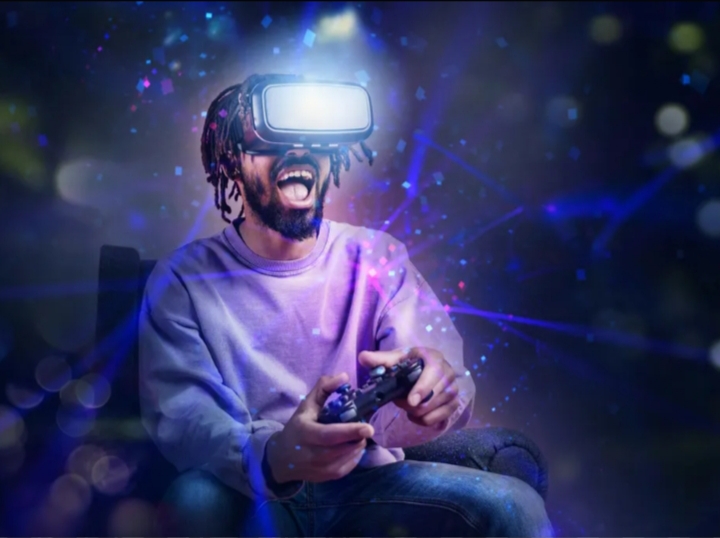
Virtual reality (VR) has transitioned from a futuristic concept to an emerging force in the entertainment industry. What was once a niche technology is now increasingly accessible and poised to revolutionize how we play, watch, and interact with content. As VR technology improves, the scope of entertainment experiences it can offer is expanding, promising richer, more immersive ways to engage with stories.
The future of VR in entertainment will go beyond enhanced visuals it will involve deeper immersion, innovative interactions, and new forms of storytelling.
The Evolution of VR Technology
Early VR systems were large, expensive, and limited in capability. Today’s devices, such as the Meta Quest 3 and PlayStation VR2, feature high definition displays, precise motion tracking, and more comfortable designs all at more affordable prices for consumers.
As technology continues to progress, future VR headsets are expected to become even lighter, more affordable, and more powerful. Innovations in haptic feedback, eye tracking, and spatial audio will further enhance the realism of virtual environments.
Gaming: Leading the Charge
Gaming remains the primary driver of VR development. Titles like Half Life: Alyx have already demonstrated that VR can offer deeply immersive, narrative-driven experiences, moving beyond simple tech demos.
In the years ahead, VR gaming will likely see:
- Expansive open world games
- More realistic physics and interactive character behaviors
- Cross platform multiplayer experiences
- The integration of AI for dynamic gameplay
As developers gain more experience with VR design, the medium will evolve into a sophisticated and distinct form of interactive entertainment.
Immersive Cinema and Storytelling
VR has the potential to transform the way we experience films and narratives. Instead of simply watching a story unfold on a screen, audiences will be able to step into the story itself.
Big players like Meta and Apple are investing heavily in immersive media, signaling a future where films combine with interactive elements to create entirely new experiences.
This could lead to:
1.360-degree immersive movies
2.Interactive branching narratives
3.Live virtual performances
4.Blended experiences combining film, games, and social interaction
The future of storytelling may shift from passive watching to active participation.
Virtual Concerts and Live Performances
VR also offers a new way to experience concerts, theater, and sports. Instead of being physically present, people could attend these events virtually from unique perspectives.
Artists like Travis Scott and Ariana Grande have already held virtual performances in immersive digital spaces. As VR technology evolves, virtual venues could become regular destinations for live entertainment.
Social and Shared Virtual Spaces
The future of VR entertainment will be inherently social. Platforms like VRChat already demonstrate how users can build communities, create content, and explore virtual spaces together.
As social VR grows, it could merge with the concept of the metaverse persistent digital worlds where entertainment, commerce, and social interaction coexist. These spaces could feature virtual theme parks, interactive storytelling experiences, and user-generated content on a global scale.
Blending Education and Entertainment
The lines between entertainment and education will continue to blur. Historical recreations, immersive documentaries, and interactive learning experiences can engage users while educating them.
For example, VR could let users explore ancient civilizations firsthand or embark on realistic space missions. This blend of entertainment and education offers endless possibilities for immersive learning.
While VR holds incredible promise, there are still several challenges to address:
- Motion sickness and physical discomfort
- High hardware costs
- Complexity in creating content
- Limitations in battery life and portability
The widespread adoption of VR will depend on overcoming these hurdles while producing compelling content that justifies its use.
Entering a New Era of Entertainment
Virtual reality is more than just an extension of current media it represents a shift towards a fully immersive form of entertainment. As technology advances and creators push the boundaries of what’s possible, VR is set to revolutionize gaming, cinema, live events, and social interaction.
The future of entertainment may no longer be something we watch from a distance lit could be something we step inside.