
-
Joyce
- February 26, 2026
- 0 Comments
- Uncategorized
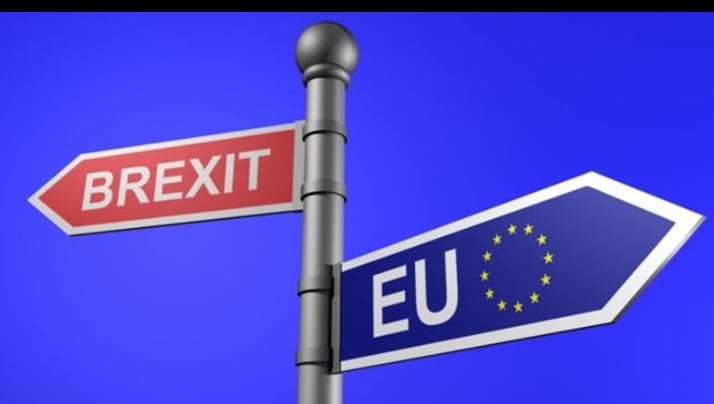
The United Kingdom’s withdrawal from the European Union widely referred to as Brexit has produced significant global economic consequences, extending well beyond Europe. African businesses, in particular, have experienced a mixture of challenges and new prospects as trade systems, investment patterns, and regulatory environments have evolved.
Trade Changes: Adjustment and Continuity
Prior to Brexit, many African nations accessed the UK market through trade agreements negotiated with the EU. Once the UK exited the bloc, these agreements no longer automatically applied, creating a period of uncertainty.
To maintain stability, the UK introduced replacement arrangements such as bilateral Economic Partnership Agreements and the Developing Countries Trading Scheme. These measures were designed to preserve preferential access for developing economies. While they helped limit major disruptions, businesses still had to adapt to:
Revised customs processes
New rules-of-origin requirements
Additional documentation
Increased compliance costs
For small and medium sized enterprises across Africa, these changes often meant greater administrative and financial pressure.
Currency Fluctuations and Revenue Effects
Following the 2016 referendum, the British pound experienced volatility. A weaker pound reduced the value of export earnings for African firms trading with the UK, especially when revenues were converted into local currencies. Key industries affected included agriculture, raw materials, and horticulture.
Currency instability also created pricing uncertainties, influencing purchasing decisions and contract negotiations between African exporters and British buyers.
Investment Dynamics
The UK has long been a major European investor in Africa. After Brexit, the British government sought to redefine its international trade and investment role under a more independent global strategy. Institutions such as UK Export Finance have supported projects in infrastructure, renewable energy, and finance across African markets.
Although renewed bilateral engagement has opened new doors, concerns remain that economic adjustments within the UK could limit future investment flows or reduce indirect access to EU-linked capital networks.
Encouraging Market Diversification
Brexit has also prompted African businesses to reconsider their reliance on the UK as a gateway to Europe. Many firms have expanded partnerships within the continent and strengthened trade under the African Continental Free Trade Area. This broader diversification effort supports long-term resilience and reduces exposure to external political shifts.
By focusing more on intra-African trade and alternative global partners, businesses are building stronger and more balanced trade portfolios.
Regulatory Differences and Compliance
Over time, regulatory divergence between the UK and the EU may require African exporters to comply with two separate standards regimes. This could raise production costs and complicate certification procedures, particularly for smaller firms.
At the same time, independent UK trade policies may allow for more flexible arrangements tailored specifically to African economies, potentially creating competitive advantages in certain sectors.
Sectoral Implications
- Agriculture: Continued tariff-free access has been beneficial, though logistics and customs adjustments have increased operational costs.
- Financial Services: Stronger UK Africa financial ties may offer growth opportunities in banking and fintech.
- Services and Education: Changes in migration and visa systems have influenced professional mobility and service-sector exchanges.
The overall impact of Brexit on African businesses will depend on the strength of future UK Africa trade agreements, the UK’s economic performance, and Africa’s progress in expanding intra-continental trade.
While the transition period introduced disruption and uncertainty, it has also encouraged strategic adaptation. For African enterprises willing to adjust and diversify, Brexit presents both a challenge and an opportunity in a changing global economic landscape.