
-
Joyce
- February 25, 2026
- 0 Comments
- Uncategorized
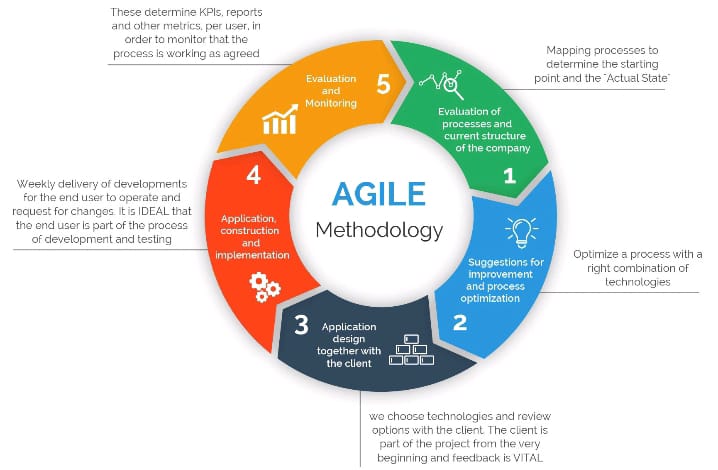
In the modern business landscape, companies must deliver high-quality products quickly while keeping up with ever-changing market demands. Traditional approaches like the Waterfall model often struggle to adapt, which is why Agile methodology has become increasingly popular. Agile emphasizes flexibility, collaboration, and iterative progress, making it well-suited for today’s dynamic projects.
- Greater Flexibility and Adaptability
Agile stands out for its ability to handle changing requirements. Frameworks such as Scrum and Kanban allow teams to adjust plans even late in a project. By working in short iterations or sprints, teams can respond to feedback, market shifts, and new technologies without disrupting the overall progress.
- Faster Delivery of Products
Agile promotes incremental development, enabling teams to release functional parts of a product quickly. This approach not only accelerates time-to-market but also provides opportunities for early testing and feedback, reducing the risk of producing a product that doesn’t meet user needs.
- Increased Customer Satisfaction
Customer involvement is central to Agile. Continuous communication ensures that client requirements are understood and incorporated throughout the project. Regular updates and feedback loops build trust, resulting in higher satisfaction and stronger alignment with client expectations.
- Improved Team Collaboration
Agile encourages frequent communication through daily stand-ups, sprint reviews, and retrospectives. This fosters teamwork, encourages problem-solving, and empowers team members to take ownership of their tasks. A collaborative environment often leads to greater motivation and engagement.
- Higher Quality Outcomes
Agile emphasizes testing and review throughout the project, which helps detect and fix issues early. Continuous integration and iterative evaluation contribute to delivering products that meet quality standards and user requirements more effectively.
- Reduced Project Risks
Breaking projects into smaller, manageable iterations reduces risk. Problems can be identified and corrected promptly, and Agile’s ongoing evaluation allows teams to pivot if necessary, minimizing costly mistakes.
- Greater Visibility and Transparency
Agile provides real-time insights into project progress through tools like task boards, burndown charts, and sprint reports. This transparency allows stakeholders to monitor developments, make informed decisions, and ensures everyone is aligned on expectations.
Agile methodology has transformed project management by emphasizing adaptability, collaboration, and continuous improvement. Its iterative process speeds up delivery, improves quality, and ensures better alignment with customer needs. Adopting Agile helps organizations cultivate a culture of innovation and flexibility, essential for success in today’s competitive environment.