
-
Joyce
- February 24, 2026
- 0 Comments
- Uncategorized
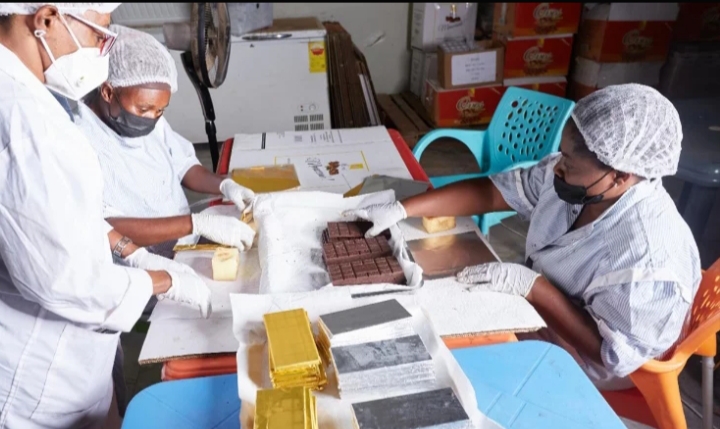
The COVID-19 pandemic, which began in early 2020, quickly evolved from a public health emergency into a far-reaching economic crisis. Across Africa, startups and small and medium-sized enterprises (SMEs) which form the backbone of many national economies faced unprecedented challenges. While the pandemic caused widespread disruption and financial distress, it also accelerated innovation and digital transformation across the continent.
Economic Disruption and Operational Challenges
Government-imposed lockdowns, travel restrictions, and social-distancing measures significantly disrupted business operations. Many SMEs, especially those in retail, hospitality, tourism, and manufacturing, experienced sharp declines in revenue as customer demand dropped and supply chains were interrupted. Since a large proportion of African SMEs operate with limited cash reserves, prolonged closures and reduced sales quickly created liquidity crises.
Numerous businesses were forced to reduce staff salaries, lay off employees, or shut down entirely. Because SMEs are major employers across Africa, these closures had serious consequences for household incomes and national employment levels.
Financial Constraints and Limited Support
The pandemic exposed structural weaknesses in the financial foundations of many African startups and SMEs. Access to credit was already limited before COVID-19, and the crisis made borrowing even more difficult. Although some governments introduced relief packages, grants, or loan facilities, many small businesses struggled to access these programs due to strict requirements, bureaucratic processes, or insufficient funding.
As a result, a significant number of entrepreneurs relied on personal savings, informal lending, or cost-cutting measures to survive the downturn.
Acceleration of Digital Transformation
Despite the negative effects, the pandemic also drove innovation and adaptation. With physical interactions restricted, many businesses turned to digital platforms to remain operational. E-commerce, online marketing, mobile payments, and delivery services became increasingly important.
Startups in sectors such as financial technology (fintech), health technology, and e-commerce experienced growth as demand for digital solutions increased. The widespread adoption of mobile money and digital payment systems helped businesses continue transactions while minimizing physical contact. In many cases, companies that embraced digital tools were better positioned to withstand the crisis.
Changing Business Models and Work Practices
COVID-19 also transformed how businesses operate. Remote work became more common, and companies adopted flexible work arrangements. Entrepreneurs restructured their business models to reduce costs and improve efficiency, often relying on technology to reach customers and manage operations.
These adjustments not only helped businesses survive the immediate crisis but also laid the groundwork for more resilient and modern enterprises in the long term.
Long-Term Implications and Recovery
While some startups and SMEs have recovered, many continue to face challenges such as rising costs, limited financing options, and ongoing economic uncertainty. The pandemic highlighted the importance of strengthening support systems for small businesses, including improving access to finance, expanding digital infrastructure, and creating more responsive policy frameworks.
At the same time, the crisis demonstrated the adaptability and creativity of African entrepreneurs. The rapid shift toward digital solutions and innovative service delivery models suggests that, despite the hardships, the pandemic may ultimately contribute to a more dynamic and technology-driven business environment.
However,COVID-19 had a profound impact on African startups and SMEs, causing financial strain, job losses, and business closures. However, it also accelerated digital adoption, encouraged innovation, and reshaped traditional business practices. As African economies continue to rebuild, the lessons learned during the pandemic will play a crucial role in shaping a stronger, more resilient entrepreneurial ecosystem.