
-
Joyce
- February 22, 2026
- 0 Comments
- Uncategorized
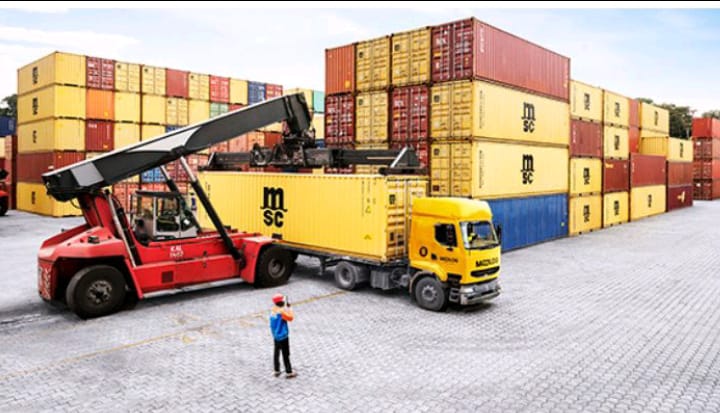
Africa’s logistics sector is entering a phase of significant transformation. Rapid urbanization, the boom in e‑commerce, infrastructure investments, and digital technology are reshaping how goods move across the continent. Despite challenges like fragmented regulations, inadequate infrastructure, and high operational costs, the sector holds enormous potential for growth, efficiency, and economic impact.
- Digital Transformation and Smart Logistics
E‑commerce Driving Innovation
The growth of online shopping is pushing demand for faster, more reliable delivery networks. Platforms such as Jumia, Konga, and Takealot are expanding beyond major cities, creating opportunities for innovative last‑mile solutions.
Technologies enhancing logistics include:
- Mobile apps for live tracking
- Cloud-based warehouse management
- AI-powered demand forecasting
- Optimized delivery routing
- Blockchain for Transparent Supply Chains
Blockchain technology can improve traceability and transparency, particularly for high-value commodities like cocoa, coffee, minerals, and pharmaceuticals. This reduces fraud, simplifies customs, and builds trust in supply networks.
- Infrastructure and Connectivity
Transport Corridors and Trade Integration
Infrastructure projects supporting regional integration, especially under the African Continental Free Trade Area (AfCFTA), are improving cross-border trade. Key corridors like the North-South Corridor and Lagos-Katanga Railway are cutting transit times and enhancing commerce.
Modernized Ports and Logistics Hubs
Ports in Durban, Mombasa, Dakar, and Tema are expanding and embracing automation. Inland logistics hubs, such as those in Addis Ababa and Kigali, reduce congestion at ports and bring processing closer to markets.
Embracing Multimodal Logistics
Integrating road, rail, air, and waterways helps build resilient logistics networks and reduces reliance on any single transport mode.
- Sustainable and Green Logistics
Climate-conscious logistics is gaining ground:
Electric vehicle fleets
Solar-powered warehouses
Eco-friendly packaging and recycling
Low-emission routing
Green logistics lowers long-term costs and attracts international investment in sustainable transport initiatives.
- Urban Logistics and Last-Mile Solutions
Micro-Hubs and Local Distribution
With rapidly growing urban populations, micro-fulfillment centers in cities like Lagos, Nairobi, Johannesburg, and Accra enable faster deliveries, reduce congestion, and lower costs.
Innovative Delivery Models
Startups are testing crowd-sourced delivery, cargo bikes, and pickup lockers to reach underserved neighborhoods efficiently.
- Fintech and Supply Chain Financing
Mobile money platforms such as M-Pesa, Paga, and Ecocash streamline payments between shippers, carriers, and customers. Logistics financing—like credit lines and invoice factoring—empowers small transporters and warehouse operators to expand operations.
- Policy and Regulatory Support
Simplified regulations, harmonized customs procedures, and one-stop border posts are crucial for smooth logistics operations. Countries that streamline rules can attract private investment and boost trade competitiveness.
- Workforce Development
A skilled workforce is essential for modern logistics. Training in supply chain analytics, transport management, warehouse automation, and customs compliance is critical. Public-private partnerships and e-learning can accelerate skill development.
Opportunities Across Africa
Opportunity Description
Regional Trade Expansion AfCFTA opens new markets and incentivizes cross-border logistics.
Tech-Driven Startups Innovative logistics technologies can leapfrog traditional systems.
Public-Private Collaboration Partnerships unlock infrastructure and service improvements.
Sustainable Logistics Green solutions attract investment and cut costs.
SME Platforms Digital tools empower small businesses and expand reach.
Challenges to Address
Poor rural infrastructure
Regulatory fragmentation
High financing costs
Limited data interoperability
Shortage of skilled logistics professionals
Addressing these challenges requires coordinated policy efforts, investments in human capital, and technology adoption.
Conclusion
Africa’s logistics future is shaped by digitalization, connectivity, sustainability, and collaboration. With strategic investments, policy support, and innovation, the continent can build it efficient, resilient, and inclusive supply chains that drive economic growth and reg